


As a supplier of Reduced Iron Powder, I've often been asked about its potential uses in various industries. One question that has come up more frequently lately is whether reduced iron powder can be used in the paper industry. In this blog post, I'll explore this topic in detail, looking at the properties of reduced iron powder, the requirements of the paper industry, and the potential benefits and challenges of using reduced iron powder in paper production.
Properties of Reduced Iron Powder
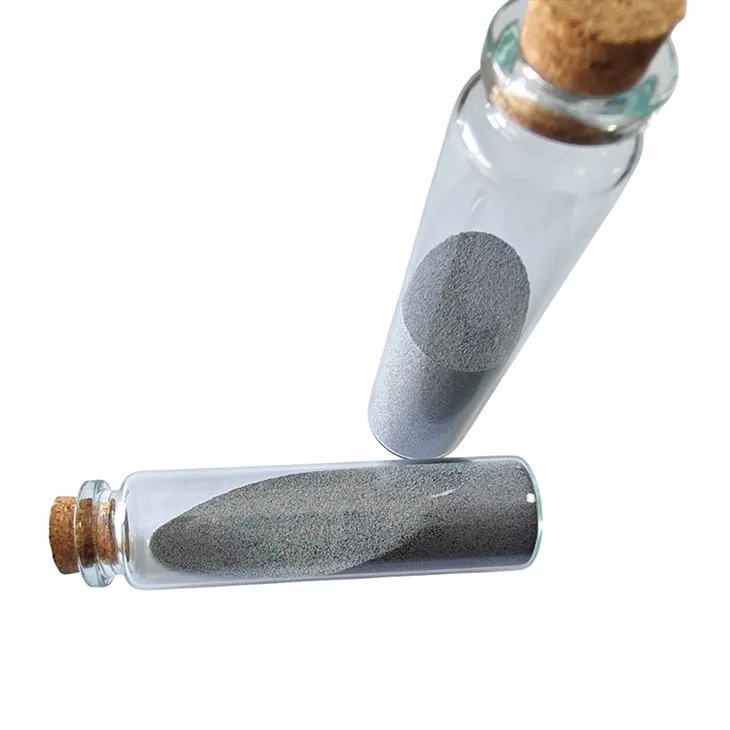
Reduced iron powder is a fine, grayish-black powder that is produced by reducing iron oxide with a reducing agent, such as hydrogen or carbon monoxide. The reduction process removes oxygen from the iron oxide, leaving behind pure iron in a powder form. This powder has several unique properties that make it suitable for a wide range of applications:
- High Purity: Reduced iron powder typically has a purity of over 98%, making it a very pure form of iron. This high purity makes it suitable for applications where impurities can cause problems, such as in the electronics and chemical industries. You can find High Purity Iron Powder on our website.
- Fine Particle Size: The particle size of reduced iron powder can be controlled during the production process, allowing for a very fine powder with a high surface area. This fine particle size makes it easier to mix with other materials and can improve the reactivity of the powder.
- Low Carbon Content: Reduced iron powder usually has a low carbon content, which makes it suitable for applications where carbon can cause problems, such as in the production of high-quality steel. You can learn more about Low Carbon Iron Powder on our website.
- Magnetic Properties: Iron is a magnetic material, and reduced iron powder retains this magnetic property. This makes it useful in applications where magnetic fields are required, such as in magnetic separators and magnetic recording media.
Requirements of the Paper Industry
The paper industry has several requirements for the materials it uses, including:
- Strength and Durability: Paper needs to be strong enough to withstand handling, printing, and other processes without tearing or breaking. The materials used in paper production should contribute to the overall strength and durability of the paper.
- Whiteness and Brightness: Most paper products are expected to have a high degree of whiteness and brightness to enhance their appearance and readability. The materials used should not significantly affect the color or brightness of the paper.
- Chemical Stability: Paper is often exposed to various chemicals during production, storage, and use. The materials used should be chemically stable and not react with these chemicals to cause discoloration, degradation, or other problems.
- Environmental Friendliness: With increasing concerns about the environment, the paper industry is looking for materials that are sustainable and environmentally friendly. The materials should be sourced from renewable resources and should not have a significant negative impact on the environment during production or disposal.
Potential Benefits of Using Reduced Iron Powder in the Paper Industry
While reduced iron powder is not commonly used in the paper industry at present, there are several potential benefits to its use:

- Enhanced Strength: The addition of reduced iron powder to paper pulp could potentially increase the strength and durability of the paper. The iron particles could act as a reinforcement, similar to the way fibers do in traditional paper production. This could make the paper more resistant to tearing and folding, which would be beneficial for applications such as packaging and printing.
- Magnetic Properties: The magnetic properties of reduced iron powder could open up new applications for paper. For example, magnetic paper could be used for security purposes, such as in banknotes or identification cards. It could also be used in magnetic printing, where magnetic ink is used to create patterns or images that can be read by magnetic sensors.
- Antimicrobial Properties: Iron has been shown to have some antimicrobial properties. The addition of reduced iron powder to paper could potentially make the paper more resistant to the growth of bacteria and fungi, which would be beneficial for applications such as food packaging and medical papers.
- Recycling and Sustainability: Iron is a highly recyclable material. If reduced iron powder is used in paper production, it could potentially be recovered and recycled at the end of the paper's life cycle. This would contribute to the overall sustainability of the paper industry.
Challenges of Using Reduced Iron Powder in the Paper Industry
Despite the potential benefits, there are also several challenges to using reduced iron powder in the paper industry:
- Color and Brightness: Iron powder is grayish-black in color, which could potentially affect the whiteness and brightness of the paper. To use reduced iron powder in paper production, it would be necessary to find a way to minimize its impact on the color of the paper. This could involve using very small amounts of iron powder or using a coating or treatment to mask the color.
- Dispersion and Uniformity: To achieve the desired properties, the reduced iron powder needs to be evenly dispersed throughout the paper pulp. This can be challenging due to the fine particle size and the tendency of the powder to agglomerate. Special mixing and dispersion techniques may be required to ensure a uniform distribution of the iron powder in the paper.
- Chemical Compatibility: The paper industry uses a variety of chemicals in the production process, such as bleaching agents, sizing agents, and dyes. The reduced iron powder needs to be chemically compatible with these chemicals to avoid any unwanted reactions that could affect the quality of the paper.
- Cost: The cost of reduced iron powder is relatively high compared to some of the other materials used in the paper industry. This could make it less attractive for widespread use in paper production, especially in applications where cost is a major factor.
Conclusion
In conclusion, while there are some challenges to using reduced iron powder in the paper industry, there are also several potential benefits. The unique properties of reduced iron powder, such as its strength, magnetic properties, and antimicrobial properties, could open up new applications and improve the performance of paper products. However, further research and development are needed to overcome the challenges related to color, dispersion, chemical compatibility, and cost.
If you are interested in exploring the use of Reduced Iron Powder in the paper industry or other applications, I encourage you to contact me for more information and to discuss potential procurement opportunities. We are committed to providing high-quality reduced iron powder and to working with our customers to find innovative solutions to their needs.
References
- "Handbook of Paper and Paperboard Packaging Technology" by Norman P. Singh
- "Magnetic Materials: Fundamentals and Applications" by David Jiles
- "Antimicrobial Materials and Surfaces: Chemistry, Applications and Environmental Impacts" by Mohamed S. El-Shall


