


Determining the optimal amount of high purity iron powder in a mixture is a critical task that can significantly impact the performance and quality of the final product. As a supplier of high purity iron powder, I understand the importance of this process and the challenges that come with it. In this blog post, I will share some insights and strategies on how to determine the optimal amount of high purity iron powder in a mixture.
Understanding the Role of High Purity Iron Powder in Mixtures
High purity iron powder is a versatile material with a wide range of applications, including powder metallurgy, magnetic materials, and chemical catalysts. Its unique properties, such as high purity, fine particle size, and good flowability, make it an ideal component in many mixtures.
In powder metallurgy, high purity iron powder is used as a base material to produce various metal parts. The addition of high purity iron powder can improve the density, strength, and hardness of the final product. In magnetic materials, high purity iron powder is used to enhance the magnetic properties, such as magnetic permeability and saturation magnetization. In chemical catalysts, high purity iron powder can act as a catalyst support or an active component, improving the catalytic activity and selectivity.
Factors Affecting the Optimal Amount of High Purity Iron Powder
Several factors need to be considered when determining the optimal amount of high purity iron powder in a mixture. These factors include the properties of the other components in the mixture, the desired properties of the final product, and the processing conditions.
Properties of Other Components
The properties of the other components in the mixture can have a significant impact on the optimal amount of high purity iron powder. For example, if the other components have a high density or a large particle size, a higher amount of high purity iron powder may be required to achieve the desired density and particle size distribution in the final product. On the other hand, if the other components have a low reactivity or a poor compatibility with high purity iron powder, a lower amount of high purity iron powder may be necessary to avoid adverse reactions or phase separation.
Desired Properties of the Final Product
The desired properties of the final product, such as density, strength, hardness, magnetic properties, and catalytic activity, also play a crucial role in determining the optimal amount of high purity iron powder. For example, if a high density and strength are required, a higher amount of high purity iron powder may be needed. If excellent magnetic properties are desired, the amount of high purity iron powder should be adjusted to optimize the magnetic performance.
Processing Conditions
The processing conditions, such as compaction pressure, sintering temperature, and time, can also affect the optimal amount of high purity iron powder. For instance, a higher compaction pressure may require a lower amount of high purity iron powder to achieve the same density in the final product. A higher sintering temperature or a longer sintering time may allow for a lower amount of high purity iron powder to be used, as the sintering process can promote the densification and bonding of the powder particles.
Methods for Determining the Optimal Amount of High Purity Iron Powder
There are several methods that can be used to determine the optimal amount of high purity iron powder in a mixture. These methods include experimental design, mathematical modeling, and simulation.
Experimental Design
Experimental design is a widely used method for determining the optimal amount of high purity iron powder in a mixture. This method involves conducting a series of experiments with different amounts of high purity iron powder and measuring the properties of the final product. By analyzing the experimental data, the optimal amount of high purity iron powder can be determined.
For example, a factorial design can be used to study the effects of different factors, such as the amount of high purity iron powder, the processing conditions, and the properties of the other components, on the properties of the final product. A response surface methodology can then be used to optimize the amount of high purity iron powder based on the experimental results.
Mathematical Modeling
Mathematical modeling is another powerful tool for determining the optimal amount of high purity iron powder in a mixture. This method involves developing a mathematical model based on the physical and chemical principles governing the behavior of the mixture. The model can then be used to predict the properties of the final product as a function of the amount of high purity iron powder and other factors.
For example, a powder compaction model can be used to predict the density and strength of the final product as a function of the compaction pressure and the amount of high purity iron powder. A sintering model can be used to predict the densification and microstructural evolution of the powder during the sintering process. By using these models, the optimal amount of high purity iron powder can be determined based on the desired properties of the final product.
Simulation
Simulation is a relatively new method for determining the optimal amount of high purity iron powder in a mixture. This method involves using computer software to simulate the behavior of the mixture during the processing steps, such as compaction, sintering, and heat treatment. By analyzing the simulation results, the optimal amount of high purity iron powder can be determined.
For example, a finite element simulation can be used to simulate the stress and strain distribution in the powder compact during the compaction process. A computational fluid dynamics simulation can be used to simulate the heat transfer and fluid flow during the sintering process. By using these simulations, the optimal amount of high purity iron powder can be determined based on the desired properties of the final product and the processing conditions.
Our High Purity Iron Powder Products
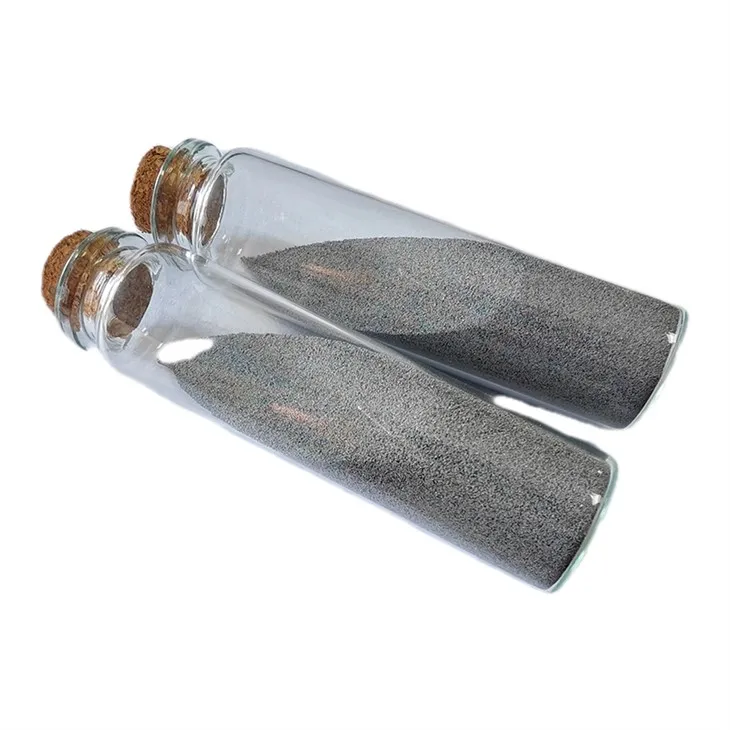
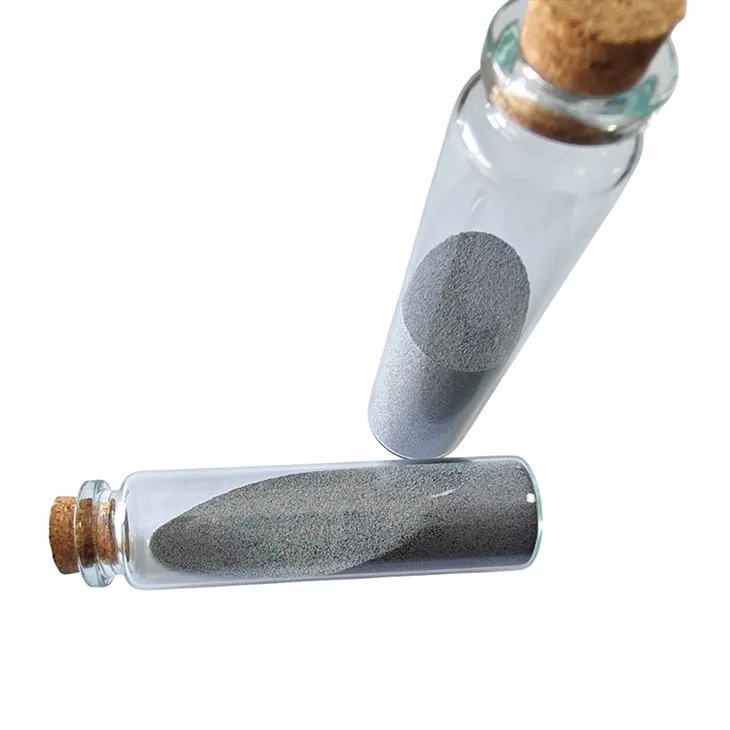
As a leading supplier of high purity iron powder, we offer a wide range of high quality products to meet the diverse needs of our customers. Our products include Hydroxy Iron Powder, Fine Pure Iron Powder (≥99.9% Purity), and Reduced Iron Powder.
Our high purity iron powder products are characterized by high purity, fine particle size, and good flowability. They are suitable for a variety of applications, including powder metallurgy, magnetic materials, and chemical catalysts. We also provide customized solutions to meet the specific requirements of our customers.
Conclusion
Determining the optimal amount of high purity iron powder in a mixture is a complex but essential task. By considering the properties of the other components in the mixture, the desired properties of the final product, and the processing conditions, and using appropriate methods such as experimental design, mathematical modeling, and simulation, the optimal amount of high purity iron powder can be determined.
As a supplier of high purity iron powder, we are committed to providing high quality products and excellent technical support to our customers. If you have any questions or need further information about our products or the determination of the optimal amount of high purity iron powder in a mixture, please feel free to contact us for procurement and negotiation.
References
- German, R. M. (1994). Powder Metallurgy Science. Metal Powder Industries Federation.
- Upadhyaya, G. S., & German, R. M. (1999). Sintering Theory and Practice. John Wiley & Sons.
- Schaffer, G. B., & Pfender, E. (1996). Modeling of Powder Metallurgy Processes. Marcel Dekker.


