


How to Modify the Surface Properties of Pure Iron Powder
As a trusted supplier of pure iron powder, I understand the significance of modifying the surface properties of pure iron powder to meet diverse industrial requirements. Pure iron powder, including Reduced Iron Powder, High Purity Iron Powder, and Hydroxy Iron Powder, has a wide range of applications in various fields such as metallurgy, electronics, and chemical engineering. Modifying its surface properties can enhance its performance, reactivity, and compatibility with other materials. In this blog, I will discuss several effective methods for modifying the surface properties of pure iron powder.
1. Chemical Coating
Chemical coating is a common method for modifying the surface properties of pure iron powder. By depositing a thin layer of a different material on the surface of the iron powder particles, we can change their chemical and physical properties. For example, coating the iron powder with a layer of metal oxide can improve its corrosion resistance. Metal oxides such as aluminum oxide (Al₂O₃) and titanium dioxide (TiO₂) can form a protective barrier on the surface of the iron powder, preventing it from reacting with oxygen and moisture in the environment.
The process of chemical coating usually involves the following steps:
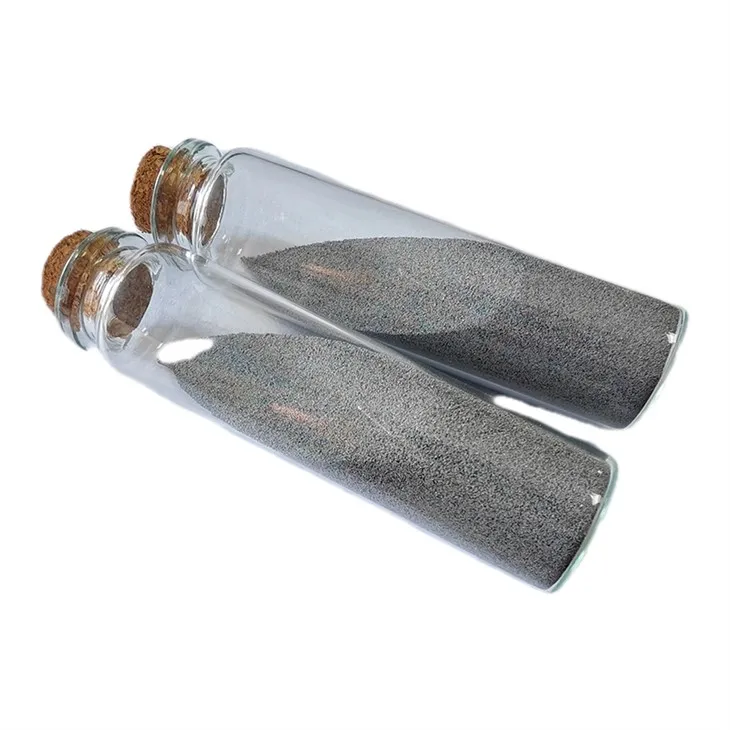

- Surface Preparation: The iron powder is first cleaned to remove any impurities or oxides on its surface. This can be done by using a suitable solvent or by heat treatment in a reducing atmosphere.
- Coating Deposition: The coating material is then deposited on the surface of the iron powder particles. This can be achieved through various techniques such as chemical vapor deposition (CVD), physical vapor deposition (PVD), or wet chemical methods. In CVD, the coating material is vaporized and then deposited on the surface of the iron powder in a high - temperature reactor. PVD involves the physical transfer of the coating material from a solid source to the surface of the iron powder by evaporation or sputtering. Wet chemical methods, on the other hand, use chemical reactions in a liquid medium to deposit the coating material.
- Post - Treatment: After the coating is deposited, the coated iron powder may undergo post - treatment processes such as heat treatment to improve the adhesion and quality of the coating.
2. Surface Oxidation
Surface oxidation is another effective way to modify the surface properties of pure iron powder. By controlled oxidation, we can form a layer of iron oxide on the surface of the powder particles. The type and thickness of the iron oxide layer can significantly affect the properties of the iron powder. For instance, a thin layer of magnetite (Fe₃O₄) can enhance the magnetic properties of the iron powder, making it suitable for applications in magnetic materials.
The oxidation process can be carried out in an oxidizing atmosphere at a specific temperature and time. The temperature and oxygen concentration play crucial roles in determining the type and thickness of the iron oxide layer. At lower temperatures, a layer of wüstite (FeO) may form, while at higher temperatures, hematite (Fe₂O₃) or magnetite (Fe₃O₄) can be produced. By carefully controlling these parameters, we can obtain the desired surface properties of the iron powder.
3. Mechanical Alloying
Mechanical alloying is a process that involves the repeated welding, fracturing, and rewelding of powder particles in a high - energy ball mill. When pure iron powder is mechanically alloyed with other powders, such as alloying elements or ceramic particles, the surface properties of the iron powder can be modified.
During mechanical alloying, the high - energy collisions between the powder particles and the grinding balls cause the alloying elements or ceramic particles to be embedded in the surface of the iron powder particles. This can change the chemical composition and microstructure of the surface layer, leading to improved properties such as hardness, wear resistance, and thermal stability.
For example, when iron powder is mechanically alloyed with chromium (Cr) powder, a chromium - rich layer can form on the surface of the iron powder particles. This chromium - rich layer can enhance the corrosion resistance of the iron powder due to the formation of a passive chromium oxide film.
4. Plasma Treatment
Plasma treatment is a relatively new and effective method for modifying the surface properties of pure iron powder. Plasma is a highly ionized gas that contains a large number of energetic particles such as ions, electrons, and free radicals. When the iron powder is exposed to a plasma environment, these energetic particles can interact with the surface of the powder particles, causing various physical and chemical changes.
Plasma treatment can be used to clean the surface of the iron powder, remove impurities, and activate the surface for further chemical reactions. It can also be used to deposit a thin layer of a different material on the surface of the iron powder. For example, plasma - enhanced chemical vapor deposition (PECVD) can be used to deposit a layer of silicon nitride (Si₃N₄) on the surface of the iron powder, which can improve its wear resistance and hardness.
The advantages of plasma treatment include its high efficiency, controllability, and the ability to modify the surface properties without significantly affecting the bulk properties of the iron powder.
5. Surface Functionalization
Surface functionalization involves attaching specific functional groups to the surface of the iron powder particles. These functional groups can endow the iron powder with new properties and make it more compatible with other materials. For example, attaching organic functional groups such as amino groups (-NH₂) or carboxyl groups (-COOH) to the surface of the iron powder can improve its dispersibility in organic solvents and its reactivity with polymers.
The process of surface functionalization usually starts with the activation of the iron powder surface. This can be done by using a suitable chemical reagent or by plasma treatment. Then, the functional groups are attached to the activated surface through chemical reactions. For example, amino - functionalized iron powder can be prepared by reacting the iron powder with an amino - containing silane coupling agent.
Applications of Modified Pure Iron Powder
The modified pure iron powder with improved surface properties has a wide range of applications:
- In the Metallurgical Industry: Modified iron powder can be used as a raw material for manufacturing high - performance alloys. The improved surface properties can enhance the alloying process and improve the mechanical properties of the final alloy products.
- In the Electronics Industry: Iron powder with enhanced magnetic properties can be used in the production of magnetic cores for transformers and inductors. The improved surface properties can also improve the electrical conductivity and stability of these components.
- In the Chemical Industry: Modified iron powder can be used as a catalyst or a reactant in chemical reactions. The improved surface reactivity can increase the efficiency of the chemical processes.
Conclusion
Modifying the surface properties of pure iron powder is a crucial step in meeting the diverse needs of different industries. By using methods such as chemical coating, surface oxidation, mechanical alloying, plasma treatment, and surface functionalization, we can change the chemical, physical, and mechanical properties of the iron powder. As a supplier of pure iron powder, we are committed to providing high - quality products with customized surface properties to our customers. If you are interested in our pure iron powder products or have any questions about surface modification, please feel free to contact us for procurement and further discussion.
References
- Cullity, B. D., & Graham, C. D. (2008). Introduction to Magnetic Materials. Wiley - Interscience.
- Zhang, X., & Zhou, Y. (2011). Surface Engineering of Metals and Alloys. Springer.
- Schmid, G. (2004). Nanoparticles: From Theory to Application. Wiley - VCH.


