


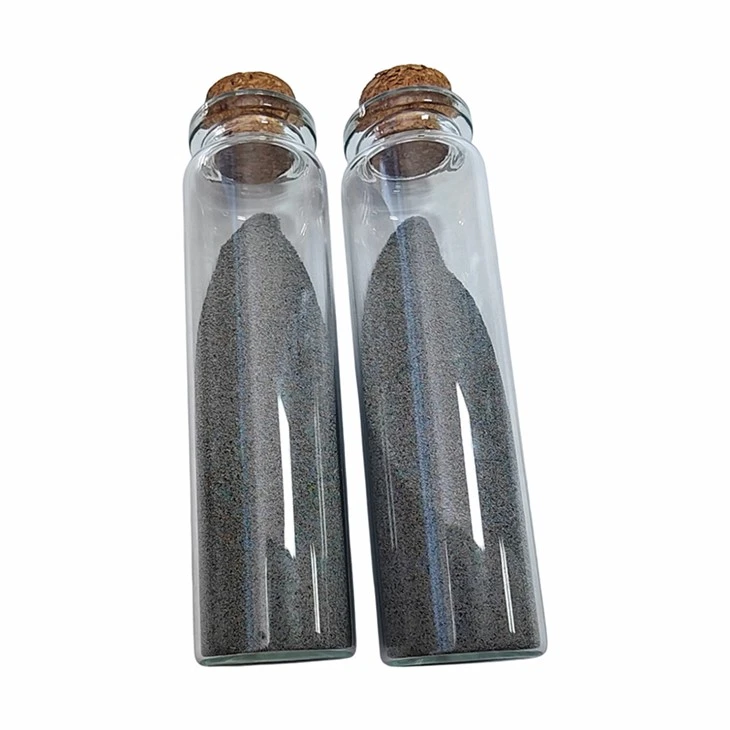
Pure iron powder is a crucial material with a wide range of applications in various industries, including metallurgy, electronics, and chemical engineering. As a reputable supplier of pure iron powder, I am often asked about its chemical composition. In this blog post, I will delve into the details of what makes up pure iron powder and how its composition affects its properties and applications.
The Basics of Pure Iron Powder
Pure iron powder, as the name suggests, is primarily composed of iron (Fe). However, achieving absolute purity is a challenging task, and even the purest iron powders contain trace amounts of other elements. These impurities can have a significant impact on the powder's physical and chemical properties, making it essential to understand their presence and control their levels.
Chemical Composition of Pure Iron Powder
The chemical composition of pure iron powder can vary depending on the production method, raw materials used, and the desired level of purity. In general, high - purity iron powders have an iron content of 99% or higher. Let's take a closer look at the main components:
Iron (Fe)
Iron is the main constituent of pure iron powder. It is a metallic element with atomic number 26 and is known for its excellent magnetic properties, high strength, and good thermal and electrical conductivity. The high iron content in pure iron powder makes it suitable for applications where these properties are required, such as in the production of electrical components and magnetic materials.
Carbon (C)
Carbon is one of the most common impurities in iron powder. Even in low - carbon iron powders, a small amount of carbon is present. Carbon can have a significant impact on the mechanical properties of iron. Higher carbon content can increase the hardness and strength of the iron but may also reduce its ductility and toughness. For applications where high ductility is required, Low Carbon Iron Powder with very low carbon levels is preferred.
Oxygen (O)
Oxygen can be present in iron powder in the form of iron oxides. The presence of oxygen can affect the reactivity and sinterability of the powder. In some cases, a certain amount of oxygen may be desirable to promote sintering, but excessive oxygen can lead to the formation of brittle oxides, which can reduce the mechanical properties of the final product.
Silicon (Si)
Silicon is another common impurity in iron powder. It can improve the strength and hardness of iron and also enhance its resistance to oxidation. However, high silicon content can make the iron more brittle. The amount of silicon in pure iron powder is usually carefully controlled to balance these effects.
Sulfur (S) and Phosphorus (P)
Sulfur and phosphorus are generally considered harmful impurities in iron powder. They can cause brittleness and reduce the weldability and ductility of the iron. In high - quality pure iron powders, the levels of sulfur and phosphorus are kept as low as possible.
Other Trace Elements
In addition to the above elements, pure iron powder may also contain trace amounts of other elements such as manganese (Mn), nickel (Ni), chromium (Cr), and copper (Cu). These elements can be present due to the raw materials used in the production process or as intentional additives to modify the properties of the iron powder. For example, manganese can improve the hardenability and toughness of iron, while nickel can enhance its corrosion resistance.
Production Methods and Their Impact on Composition
The production method of pure iron powder has a significant impact on its chemical composition. There are several methods for producing iron powder, including:
Reduction Method
In the reduction method, iron oxides are reduced to iron using a reducing agent such as hydrogen or carbon monoxide. This method can produce high - purity iron powder with relatively low levels of impurities. Reduced Iron Powder produced by this method is widely used in applications where high purity is required, such as in the electronics industry.
Atomization Method
The atomization method involves melting iron and then spraying it with a high - pressure gas or water to form fine droplets, which solidify into powder particles. This method can produce iron powder with a narrow particle size distribution and good flowability. However, the powder may contain a higher level of oxygen and other impurities compared to reduced iron powder.
Electrolytic Method
The electrolytic method produces iron powder by electrolyzing an iron salt solution. This method can produce extremely pure iron powder with a very high iron content. Fine Pure Iron Powder (≥99.9% Purity) produced by the electrolytic method is often used in high - end applications where the highest level of purity is required, such as in the production of precision electronic components.
Applications Based on Composition
The chemical composition of pure iron powder determines its properties and, therefore, its applications. Here are some common applications based on different compositions:
Electrical Applications
For electrical applications, such as the production of transformers and electric motors, high - purity iron powder with low carbon and oxygen content is preferred. The high iron content and low impurities ensure good electrical conductivity and magnetic properties.
Metallurgical Applications
In metallurgy, iron powder is used as a raw material for the production of steel and other alloys. The composition of the iron powder can be adjusted to meet the specific requirements of the alloy. For example, iron powder with a certain amount of alloying elements can be used to produce high - strength steel.
Chemical Applications
In chemical applications, iron powder can be used as a reducing agent or a catalyst. The reactivity of the iron powder is influenced by its composition, especially the presence of impurities such as oxygen and carbon.

Quality Control and Assurance
As a supplier of pure iron powder, quality control is of utmost importance. We use advanced analytical techniques such as X - ray fluorescence (XRF) and inductively coupled plasma mass spectrometry (ICP - MS) to accurately determine the chemical composition of our iron powders. This allows us to ensure that our products meet the strict quality requirements of our customers.
We also have a comprehensive quality assurance system in place, from raw material selection to final product inspection. Our production processes are carefully monitored to control the levels of impurities and ensure the consistency of the chemical composition of our iron powders.
Conclusion
The chemical composition of pure iron powder is a complex topic that involves a careful balance of iron and various impurities. Understanding the composition is crucial for selecting the right iron powder for specific applications. As a leading supplier of pure iron powder, we are committed to providing high - quality products with well - controlled chemical compositions.
If you are interested in purchasing pure iron powder for your specific application, we invite you to contact us for a detailed discussion. Our team of experts is ready to assist you in choosing the most suitable product based on your requirements.
References
- ASM Handbook, Volume 7: Powder Metallurgy, ASM International.
- Iron and Steel Institute of Japan, "Fundamentals of Iron and Steelmaking".
- Perry's Chemical Engineers' Handbook, McGraw - Hill.


