
Introduction
Pure iron, with its exceptional magnetic properties and ultra-low impurity levels, serves as a cornerstone material in electrical and electronic systems. As industries push for higher efficiency, miniaturization, and sustainability, high-purity pure iron (99.95%+ Fe) has become indispensable in applications ranging from energy transmission to cutting-edge semiconductor technologies.
Key Applications in Electrical & Electronics
1. Transformers & Inductors: Efficiency at Scale
- Core Material: Pure iron's high magnetic permeability (up to 150,000 μMax) and low hysteresis loss (<1.5 W/kg @ 1.5 T) make it ideal for transformer cores, reducing energy waste in power grids and renewable energy systems.
- Miniaturization: Enables compact, high-frequency inductors for EV chargers and solar inverters.
2. Electric Motors & Generators: Driving Electrification
- Rotor/Stator Cores: Enhances torque density and reduces eddy current losses in motors for electric vehicles (EVs) and industrial machinery.
- Sustainability Edge: Recyclable pure iron supports circular manufacturing in automotive and wind turbine generators.
3. Electromagnetic Shielding: Protecting Precision Systems
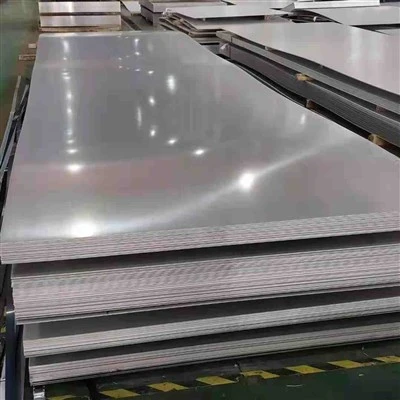
- EMI/RFI Shielding: Pure iron sheets or foils block interference in 5G base stations, medical imaging devices, and IoT sensors.
- Thin-Film Solutions: Ultra-thin layers (0.1–0.5 mm) with AI-polished surfaces (Ra ≤0.8 μm)integrate seamlessly into portable electronics.
4. Sensor Technology: Enabling Smart Systems
- Magnetic Sensors: Used in automotive LiDAR, ABS systems, and industrial automation for precise detection.
- Linearity & Sensitivity: Low coercivity (<10 A/m) ensures accurate signal output in dynamic conditions.
5. Semiconductor Manufacturing: Precision at Microscopic Scales
- Wafer Handling Tools: Pure iron molds and clamps offer non-magnetic contamination and wear resistance in cleanroom environments.
- Etching/Deposition Components: High thermal stability (up to 500°C) ensures longevity in plasma etching systems.
Technological Advancements
|
Innovation |
Impact |
|
Pulse Electrodeposition |
Creates nano-crystalline iron layers for MEMS devices. |
|
Hydrogen-Based Annealing |
Reduces carbon footprint while refining grain structure. |
|
Hybrid Composites |
Combines pure iron with polymers for flexible EMI shields in wearables. |
Why High-Purity Pure Iron?
- Purity Matters: Even 0.01% carbon can degrade magnetic softness. Our <0.005% C grade ensures reliability.
- Thermal Conductivity: 80 W/m·K (vs. 20 W/m·K for ferrites) prevents overheating in high-load applications.
- End-of-Life Value: 95% recyclability rate supports ESG goals.
Comparison with Alternatives
|
Material |
Advantages of Pure Iron |
|
Silicon Steel |
Lower hysteresis loss, better high-frequency response. |
|
Ferrites |
Higher saturation flux density (2.1 T vs. 0.5 T). |
|
Amorphous Alloys |
Cost-effective, easier to machine and recycle. |
W-hy Partner with Us?
- Certified Quality: Compliant with IEC 60404-8, ASTM A848, and RoHS.
- Custom Solutions: Tailored dimensions, coatings (e.g., Al, SiO₂), or grain structures.
- Global Reach: Fast-track logistics with carbon-neutral shipping options.