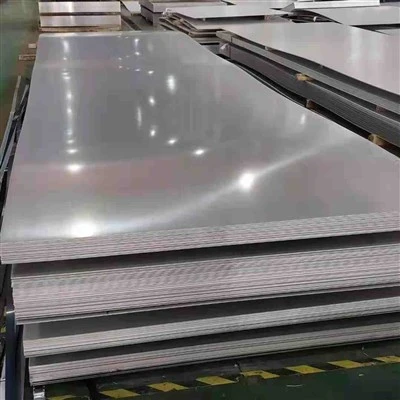

What is Pure Iron?
Pure iron is a silver-white metallic element with an atomic number of 26. It melts at 1,535°C and exists in a crystalline structure known as body-centered cubic (BCC) alpha-iron at room temperature. Commercially, "pure iron" typically refers to iron with extremely low impurities-containing less than 0.02% carbon and minimal traces of other elements like manganese, silicon, or phosphorus.Pure iron (≥99.8% Fe) is a nearly elemental form of iron with minimal impurities. Unlike steel, it contains no intentional alloying elements, making it unique for applications requiring magnetic performance, ductility, or biocompatibility.
Key Characteristics:
- Ultra-Low Carbon: <0.02% carbon (vs. 0.2–2.1% in steel).
- High Ductility: Easily cold-worked into foils, wires, or precision parts.
- Soft Magnetic Properties: Low coercivity and high permeability.
Pure Iron vs. Steel: Compositional Differences
The core distinction lies in carbon content and alloying elements, which define performance and applications.
|
Property |
Pure Iron |
Steel |
|
Iron (Fe) |
≥99.8% |
98–99.5% (balance with alloys) |
|
Carbon (C) |
<0.02% |
0.2–2.1% |
|
Alloying Elements |
None (trace impurities only) |
Mn, Cr, Ni, Mo, etc. (1–20%) |
Composition Matters:
1.Carbon Impact:
- Pure iron's near-zero carbon ensures softness and ductility, ideal for electromagnetic cores or medical implants.
- Steel's carbon content (0.2–2.1%) enables hardness and strength but sacrifices malleability.
2. Alloying Elements:
- Steel incorporates elements like chromium (stainless steel) or manganese (structural steel) to enhance corrosion resistance or strength.
- Pure iron avoids alloys to maintain magnetic uniformity and chemical purity.
Alloying Elements:
Pure Iron: Minimal additives.
Steels: Often contain manganese, silicon, chromium, nickel, etc., to improve strength, corrosion resistance, or heat tolerance.
Manufacturing Processes
Pure Iron Production
1. Electrolytic Refining: Removes impurities (S, P, Cu) via iron sulfate solution electrolysis.
2. Vacuum Induction Melting (VIM): Achieves 99.98%+ purity by eliminating gases (O₂, H₂).
Steel Production
1. Basic Oxygen Furnace (BOF): Converts pig iron to steel by oxidizing carbon.
2. Alloying: Adds elements (Cr, Ni) to enhance specific properties.
Mechanical Performance:
Pure Iron: Low tensile strength (~250 MPa) and hardness (HB 50–80) but excellent plasticity (elongation >50%).
Steels: Vary widely. For instance:
Mild Steel: Tensile strength up to 400 MPa; balances strength and ductility.
Tool Steel: Hardness >HRC 60; designed for wear resistance.
Applications:
Pure Iron: Used in electromagnetic devices (e.g., transformers, solenoids), scientific research, and as a base material for alloys.
Steels: Dominate construction (rebar, beams), automotive (high-strength steels), and tools (stainless steel knives).
Why Choose Pure Iron?
For applications requiring magnetic conductivity, formability, or chemical purity (e.g., in electronics or medical devices), pure iron is unmatched.