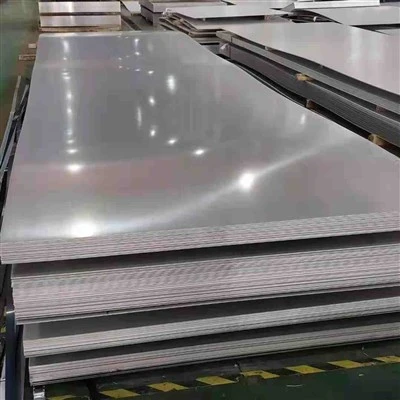

The question "Can you find pure iron in nature?" sparks curiosity about one of humanity's most essential metals. While iron is abundant in the Earth's crust, naturally occurring pure iron is exceptionally rare. At Beilun Metal, we specialize in bridging this gap by producing ultra-pure iron (Fe ≥ 99.9%)through advanced metallurgy processes. This article explores the science behind natural iron, the challenges of obtaining pure iron, and how Beilun Metal's expertise ensures a reliable supply of high-performance iron for cutting-edge technologies.
The Reality of Pure Iron in Nature
Pure iron, in its elemental metallic form, is almost nonexistent in nature. Here's why:
1. Iron's Natural State
-Oxides: Over 90% of natural iron exists as oxides like hematite (Fe₂O₃) and magnetite (Fe₃O₄).
-Sulfides: Pyrite (FeS₂), known as "fool's gold," is another common compound.
- Alloys: Trace amounts of metallic iron are found in meteorites, alloyed with nickel (5–25%) and cobalt.
2. Why Pure Iron Rarely Forms
- High Reactivity: Iron readily bonds with oxygen, sulfur, and carbon in the Earth's crust.
- Geological Processes: Volcanic activity and weathering further oxidize metallic iron.
3. Historical Exceptions
- Meteoric Iron: Ancient civilizations used iron from meteorites for tools, but these sources are scarce and inconsistent in purity.
The Industrial Demand for Pure Iron
While nature provides iron ores, modern industries require ultra-pure iron** for applications where impurities degrade performance:
1. Critical Applications
- oft Magnetic Devices: Transformers, motors, and inductors need low-carbon iron (C < 0.02%) to minimize energy loss.
-Medical Equipment: MRI machines and surgical tools demand 99.95% purity to avoid magnetic interference.
-Aerospace & EVs: High-purity iron ensures lightweight, corrosion-resistant components for engines and batteries.
2. Challenges of Natural Iron Ores
- Impurities: Even high-grade ores contain 2–8% silica, alumina, and sulfur.
- Energy-Intensive Refining: Traditional blast furnaces cannot achieve Fe-99.9% purity.
We employ proprietary technologies to transform raw ores into ultra-pure iron:
1. Step 1: Ore Refining
- Beneficiation: Crush and magnetically separate ore to achieve 68–72% Fe content.
- Direct Reduction: Use hydrogen gas (H₂) to reduce iron oxides into sponge iron (DRI) with 90–94% purity.
2. Step 2: High-Purity Smelting
- Vacuum Induction Melting (VIM): Melt sponge iron under a vacuum (10⁻³ Pa) to remove gases (O₂, N₂).
-Electro-Slag Remelting (ESR): Eliminate sulfur and non-metallic inclusions, achieving Fe-99.95% purity.
3. Step 3: Precision Processing
- Cold Rolling: Produce sheets and strips with tolerances of ±0.01 mm.
- Annealing: Optimize magnetic properties in hydrogen atmospheres at 1,100°C.
---
Technical Advantages of Beilun Metal's Pure Iron
| Parameter | Beilun Metal | Natural Iron Ore |
|---|---|---|
| Purity (Fe) | 99.9%–99.95% | 60–72% (pre-refining) |
| Carbon Content | <0.005% | 0.5–4% (as coke residue) |
| Coercivity (A/m) | 65–80 | N/A (non-magnetic ore) |
| Applications | High-tech industries | Raw material for steel |
Why Industries Rely on Synthetic Pure Iron
1.Consistency: Natural ores vary in composition; our processes guarantee uniform purity.
2. Performance: Ultra-low impurities (<0.05% total) ensure optimal magnetic and mechanical properties.
3. Sustainability: Our hydrogen-based reduction cuts CO₂emissions by 50% vs. traditional methods.
While pure iron may not exist naturally in usable forms, Beilun Metal's advanced metallurgy innovations make it possible to produce ultra-pure iron that powers the technologies of tomorrow. By combining sustainable practices with precision engineering, we deliver materials that outperform nature's limitations.
Partner with Beilun Metal for high-purity iron solutions tailored to your industry's needs.