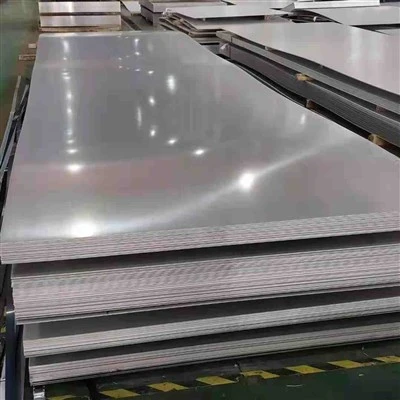

Does Pure Iron Not Rust? Unveiling the Truth and Advantages by Beilun Metal
Pure iron, celebrated for its exceptional electromagnetic properties and ultra-high purity, often sparks a critical question: Does pure iron rust? The answer lies in understanding its inherent characteristics and how advanced metallurgical processes, like those pioneered by Beilun Metal, mitigate corrosion risks while amplifying its unique benefits. This article explores the rust resistance of pure iron, its smelting techniques, and electromagnetic superiority, positioning it as a material of choice for industries prioritizing performance and sustainability.
1. The Reality of Rust: Pure Iron vs. Steel
Why Pure Iron Rusts
Pure iron (≥99.8% Fe) is inherently prone to oxidation when exposed to moisture and oxygen, forming iron oxide (rust). Unlike stainless steel, which contains chromium to create a passive oxide layer, pure iron lacks alloying elements for corrosion resistance. However, this vulnerability is often overstated-its rusting behavior depends heavily on environmental conditions and processing methods.
Rust Mitigation Strategies
At Beilun Metal, we address corrosion challenges through:
Ultra-High Purity: Reducing impurities like sulfur and phosphorus (<0.005%) minimizes electrochemical activity, slowing oxidation.
Protective Coatings: Applying organic or metallic coatings (e.g., zinc, epoxy) shields surfaces without compromising magnetic performance.
Controlled Environments: Recommending use in dry, inert, or vacuum-sealed applications (e.g., aerospace, medical devices).
While rust remains a consideration, pure iron's advantages far outweigh this limitation in specialized applications.
2. Smelting Processes: Engineering Purity to Delay Corrosion
The corrosion resistance of pure iron is intrinsically tied to its purity. Beilun Metal's advanced smelting technologies ensure minimal impurities, enhancing both performance and longevity.
Key Smelting Techniques
Vacuum Induction Melting (VIM):
Conducted in oxygen-free environments to eliminate oxidation during melting.
Achieves carbon content <0.005%, reducing galvanic corrosion risks.
Electrolytic Refining:
Produces 99.98% pure iron cathodes, removing sulfur and phosphorus that accelerate rusting.
Zone Refining:
Segregates residual impurities to ingot ends, achieving purity levels up to 99.995%.
Contrast with Steel Production
Steel's corrosion resistance relies on alloying (e.g., chromium in stainless steel), which introduces trade-offs:
Magnetic Loss: Chromium disrupts magnetic domain alignment, reducing permeability.
Cost and Complexity: Alloying increases production costs and complicates recycling.
Pure iron's simplicity and purity make it ideal for applications where electromagnetic efficiency cannot be compromised.
3. Electromagnetic Excellence: A Trade-Off Worth Making
Pure iron's propensity to rust is eclipsed by its unrivaled soft magnetic properties, which are critical for modern technologies.
Why Industries Accept the Rust Trade-Off
High Magnetic Permeability (µ > 5,000):
Enables efficient energy transfer in transformers and inductors, reducing energy loss by up to 30% vs. steel.
Low Coercivity (<80 A/m):
Minimizes hysteresis losses, crucial for high-frequency applications like EV motors and renewable energy systems.
High Saturation Flux Density (~2.15 Tesla):
Supports compact, high-power designs unachievable with stainless steel or ferrites.
Real-World Applications
Medical Imaging (MRI Machines): Pure iron cores ensure precise magnetic fields, unaffected by coatings in vacuum-sealed environments.
Aerospace Sensors: Coated pure iron components resist corrosion while delivering flawless signal accuracy.
Power Grids: Laminated pure iron cores in transformers operate in controlled, dry conditions, maximizing lifespan.
4. Beilun Metal's Innovations: Corrosion Resistance Meets Performance
At Beilun Metal, we transform pure iron into a corrosion-resilient powerhouse through cutting-edge solutions:
Advanced Anti-Corrosion Treatments
Nanocoatings: Ultra-thin ceramic or polymer layers protect surfaces without affecting magnetic properties.
Annealing in Inert Atmospheres: Post-processing in nitrogen or argon environments prevents oxidation during cooling.
Tailored Material Solutions
High-Purity Grades: Custom impurity profiles for harsh environments (e.g., marine sensors, industrial actuators).
Hybrid Designs: Combining pure iron with stainless steel cladding for structural and corrosion-resistant assemblies.
Sustainability Edge
99% Recyclability: Pure iron's single-element composition simplifies recycling, reducing lifecycle environmental impact.
Energy Efficiency: Lower core losses in electromagnetic devices offset initial corrosion management costs.
5. Pure Iron vs. Alternatives: A Balanced Perspective
| Property | Pure Iron | Stainless Steel | Silicon Steel |
|---|---|---|---|
| Corrosion Resistance | Moderate (with coatings) | High | Low |
| Magnetic Permeability | Ultra-High (>5,000 µ) | Low (Non-magnetic grades) | Moderate (~1,500–4,000 µ) |
| Saturation Flux Density | 2.15 T | <1.5 T | 1.5–2.0 T |
| Cost Efficiency | High (Long-term energy savings) | High (Alloy costs) | Moderate |
Conclusion: Pure Iron-A Material Engineered for Excellence
Pure iron's tendency to rust is a manageable challenge, not a dealbreaker. At Beilun Metal, we leverage advanced smelting, coatings, and environmental controls to deliver pure iron solutions that excel in electromagnetic performance, sustainability, and cost efficiency. While stainless steel and other alloys address corrosion at the expense of functionality, pure iron remains unmatched in applications where magnetic precision, energy efficiency, and recyclability are paramount.
By choosing Beilun Metal's pure iron, you invest in a material that harmonizes performance with responsibility-proving that even in a world of compromises, purity prevails.
Choose Beilun Metal-Where Innovation Meets Integrity.
Beilun Metal is a global leader in high-purity iron solutions. Contact us to discover how our corrosion-managed pure iron can elevate your next project's performance and sustainability.
Pure iron rust resistance
Beilun Metal anti-corrosion pure iron
High-purity iron smelting process
Soft magnetic properties of pure iron
Sustainable electromagnetic materials
Pure iron vs stainless steel magnetism
Corrosion-resistant transformer cores
Recyclable high-performance iron