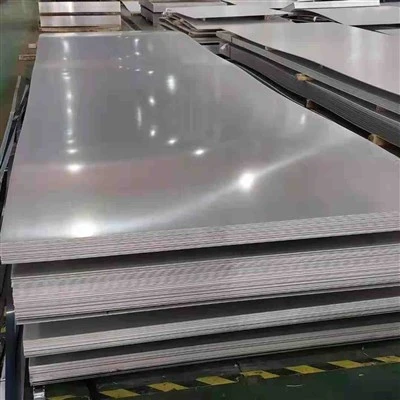
The main effect of pure iron is its important role in the metallurgical industry. Pure iron has extremely high purity and good chemical stability. Its purity can usually reach more than 99%, which enables it to effectively control the content of impurities in processes such as steelmaking, thereby improving the quality and performance of steel. For example, when producing special steel, adding an appropriate amount of pure iron can accurately adjust the iron content in the steel and improve the organizational structure and mechanical properties of the steel. In addition, in the foundry industry, pure iron can ensure the uniform composition of castings and reduce the occurrence of defects.
The physical properties of pure iron are also excellent, with good ductility and machinability, which can meet various complex production process requirements1. Its specific uses include the production of precision alloys, electrical alloys, soft magnetics, amorphous alloys and permanent magnet alloys, such as neodymium iron boron, amorphous pure iron, precision alloy pure iron, casting pure iron, stainless steel pure iron, catalyst alloy pure iron, iron-silicon-aluminum alloy, pure iron for Permalloy, pure iron for medium frequency furnace smelting, and powder metallurgy pure iron.