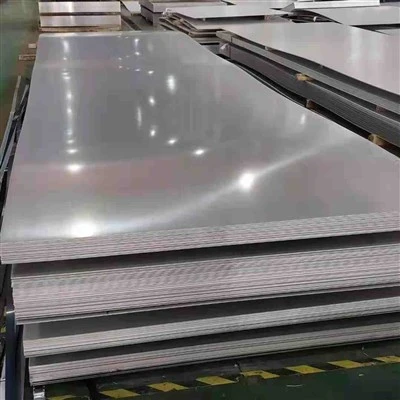

Choosing the right metal for industrial applications can significantly impact product performance, cost efficiency, and compliance. Two widely used materials-electrolytic iron and carbon steel-are often compared, but their distinct properties cater to vastly different needs.
As a trusted electrolytic iron manufacturer, Beilun Metals breaks down the technical, economic, and functional differences between these metals to help engineers, procurement managers, and R&D teams make informed decisions.
1. Composition & Manufacturing Processes
Electrolytic Iron
Purity: ≥99.9% iron, achieved through electrolysis of iron salts. Impurities (C, S, P) are controlled below 0.005%.
Production: Electrolytic refining dissolves iron anodes in acidic solutions, depositing ultra-pure iron cathodes.
Key Standard: ASTM A848 (for magnetic applications).
Carbon Steel
Composition: Iron + 0.05–2.1% carbon, with traces of manganese, silicon, and sulfur.
Production: Blast furnace smelting followed by rolling or forging.
Key Grades: ASTM A36 (structural steel), SAE 1045 (high-carbon steel).
Why It Matters:
Electrolytic iron's ultra-low carbon content makes it ideal for magnetic and electronic uses, while carbon steel's strength suits load-bearing structures.
2. Mechanical & Physical Properties
| Property | Electrolytic Iron | Carbon Steel |
|---|---|---|
| Tensile Strength | 150–250 MPa (ductile, soft) | 400–550 MPa (high strength) |
| Magnetism | Excellent (high permeability) | Low (unless annealed) |
| Corrosion Resistance | Poor (requires coating) | Moderate (improves with alloying) |
| Electrical Conductivity | High (ideal for cores) | Low |
Critical Insight:
Electrolytic iron's softness and magnetism make it irreplaceable in transformers, while carbon steel dominates automotive frames and tools.
3. Top Applications Comparison
Electrolytic Iron
Electronics: Magnetic cores, EMI shielding, sensor components.
Pharmaceuticals: High-purity iron powders for anemia treatments.
Research: Ultra-pure substrates for semiconductor testing.
Beilun Metals Case Study:
A Japanese client reduced transformer core losses by 18% using our 99.99% electrolytic iron sheets.
Carbon Steel
Construction: Beams, pipelines, and reinforced concrete.
Automotive: Engine parts, gears, and chassis.
Tools: Drills, blades, and springs.
4. Cost & Sustainability Factors
Electrolytic Iron:
Higher upfront cost due to energy-intensive refining.
Long-term savings in precision applications (e.g., reduced energy loss in motors).
Recyclable but requires specialized facilities.
Carbon Steel:
Lower initial cost (mass-produced).
Higher carbon footprint from smelting.
Widely recycled in standard facilities.
Beilun's Edge:
Our closed-loop electrolysis process reduces energy use by 25%, aligning with ISO 14001 sustainability standards.
5. How to Choose Between Them?
Ask these questions:
Is magnetism critical? → Choose electrolytic iron.
Do you need high strength? → Opt for carbon steel.
Are purity standards strict? → Electrolytic iron (e.g., medical or semiconductor use).
Budget constraints? → Carbon steel for non-specialized applications.
Still Unsure?
Beilun Metals offers free material consultation to match your project with the optimal solution.
6. FAQs
Q1: Can electrolytic iron replace carbon steel in construction?
A: No-its low strength and corrosion resistance make it unsuitable for structural loads.
Q2: Which is better for high-frequency applications?
A: Electrolytic iron's low eddy current loss outperforms steel in transformers and inductors.
Q3: Does Beilun Metals provide custom purity levels?
A: Yes! We supply electrolytic iron from 99.9% to 99.999% purity, tailored to your specs.
Electrolytic iron and carbon steel serve fundamentally different purposes. While carbon steel excels in strength and affordability, electrolytic iron is unmatched in purity and magnetic performance.
Partner with Beilun Metals to access:
Certified Electrolytic Iron: ASTM, GB/T, and JIS compliance.
Technical Expertise: 20+ years in high-purity metal solutions.
Fast Global Delivery: Samples ready in 7 days.