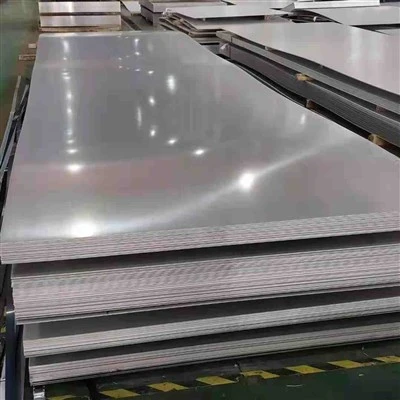

Foundry and Application of Pure Iron: Industry Knowledge Overview
In the context of the booming development of the manufacturing industry, the casting industry, as one of the important basic industrial sectors, is particularly crucial for the selection and application of raw materials. Pure iron, as a fundamental material with unique physical and chemical properties, plays an indispensable role in the field of casting. This article will delve into the demand for pure iron in foundries, the application of pure iron in casting, and its importance.
1, Background of the demand for pure iron in foundries
Casting is a processing method in which molten metal is poured into a pre prepared mold, and after it cools and solidifies, a predetermined shape, size, and properties of the product or blank are obtained. Pure iron, with its excellent processability, weldability, corrosion resistance, and wear resistance, has become an important raw material for foundries to manufacture high-quality castings. Especially in the production of metallurgical parts and important structural components such as ships, machinery, and automobiles, the application of pure iron is particularly important.
2, The Application of Pure Iron in Casting
The basic material for high-quality castings: Pure iron, as a type of cast pig iron, is the fundamental furnace charge for cast iron parts. Its low-carbon and low impurity characteristics make the castings excellent in strength and toughness. At the same time, pure iron castings also have good machinability and wear resistance, making them suitable for manufacturing various complex structures and wear-resistant components.
The first choice for special casting techniques: Due to the tendency of pure iron to produce defects such as pores, inclusions, and cracks during the casting process, foundries often choose special techniques such as vacuum casting, gas pressure casting, and liquid metal infiltration when using pure iron. These technologies can effectively reduce defects in castings, improve the forming accuracy and quality of castings.
Alloying improves performance: In order to further enhance the mechanical, physical, and chemical properties of castings, foundries also add a certain amount of alloying elements such as silicon, manganese, phosphorus, sulfur, etc. to pure iron to obtain alloy cast iron with specific properties.
3, The importance of pure iron in casting
Improving casting quality: The application of pure iron can significantly enhance the quality of castings, including strength, toughness, wear resistance, and corrosion resistance. This is of great significance for improving the service life and reliability of products.
Expanding application areas: With the continuous advancement of technology and the transformation and upgrading of the manufacturing industry, the application areas of pure iron castings are also constantly expanding. From traditional mechanical manufacturing and automobile manufacturing to aerospace, new energy and other fields, pure iron castings play an irreplaceable role.
Promoting innovation in casting technology: The unique and challenging nature of pure iron in the casting process drives foundries to continuously develop and innovate casting technologies. These technological advancements not only improve the quality of pure iron castings, but also inject new vitality into the overall development of the casting industry.