
Introduction
Pure iron is a cornerstone material in industries ranging from electronics to energy. However, selecting the right pure iron grade can be challenging due to varying purity requirements, technical specifications, and industry regulations. As a leading pure iron manufacturer, Beilun Metals simplifies this process with expert insights and tailored solutions.
In this guide, we'll break down:
Key factors to evaluate when choosing a pure iron grade.
Industry-specific requirements for electronics, automotive, and nuclear sectors.
How certifications like ASTM A848 and GB/T 9971 ensure quality.
1. Understanding Pure Iron Grades: Purity Levels and Standards
Pure iron grades are primarily defined by their purity percentage and compliance with international standards.
1.1 Purity Levels
Low-Purity Iron (99.5%-99.8%): Cost-effective for general industrial uses (e.g., machinery components).
High-Purity Iron (99.9%-99.99%): Essential for precision applications like magnetic cores and medical devices.
Ultra-High-Purity Iron (>99.995%): Used in advanced research and semiconductor manufacturing.
Pro Tip: Beilun Metals' electrolytic iron (99.99%) minimizes impurities (C, S, P < 0.005%), ensuring superior magnetic performance.
1.2 Key Standards
ASTM A848: Specifies low-carbon pure iron for magnetic applications.
GB/T 9971 (China): Classifies pure iron into grades DT1-DT4 based on purity.
GOST 5632 (Russia): Mandatory for CIS markets requiring corrosion-resistant iron.
2. Industry-Specific Requirements
2.1 Electronics & Electrical Engineering
Critical Parameters: High permeability, low coercivity.
Recommended Grade: DT4 (99.9% purity) for transformers and sensors.
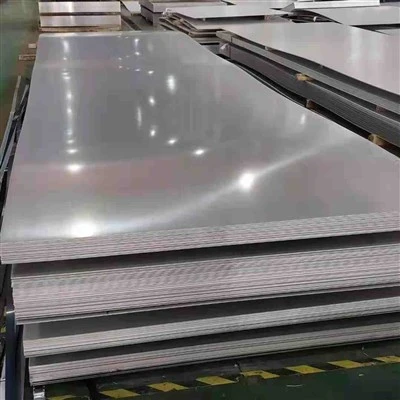
Case Study: A European client reduced eddy current losses by 20% using Beilun's high-purity iron sheets.
2.2 Automotive & Aerospace
Focus: Strength-to-weight ratio and oxidation resistance.
Solution: Alloy-coated pure iron (e.g., nickel-plated) for fuel injectors.
2.3 Nuclear Energy
Requirement: Radiation shielding and thermal stability.
Beilun's Expertise: Ultra-low sulfur content (<0.002%) meeting IAEA guidelines.
3. 5 Steps to Select the Right Pure Iron Grade
Define Application Needs:
Will the iron face high temperatures? Is magnetism a priority?
Check Regulatory Compliance:
Ensure alignment with REACH (EU) or RoHS if exporting.
Evaluate Supplier Capabilities:
Look for ISO 9001 certification and custom metallurgical testing.
Request Material Test Reports (MTRs):
Verify chemical composition and mechanical properties.
Test Prototypes:
Beilun Metals offers free sample testing for critical projects.
4. Why Choose Beilun Metals as Your Pure Iron Supplier?
Global Compliance: Products meet ASTM, GB, GOST, and JIS standards.
Customization: Tailored dimensions (sheets, rods, powder) and purity levels.
Quality Assurance: Third-party lab testing with full traceability.
Fast Logistics: 15-day delivery to the EU, US, and Asia.
5. FAQs About Pure Iron Selection
Q1: What's the difference between pure iron and carbon steel?
A: Pure iron has <0.02% carbon, offering better magnetism but lower strength than steel.
Q2: How to prevent pure iron from rusting?
A: Use coated variants (e.g., galvanized) or store in low-humidity environments.
Q3: Can Beilun Metals provide technical support?
A: Yes! Our engineers assist with material selection and failure analysis.
Choosing the right pure iron grade requires balancing technical needs, costs, and compliance. Partner with Beilun Metals – a trusted pure iron manufacturer with 20+ years of expertise – to access certified materials, fast prototyping, and dedicated support.
Ready to Optimize Your Supply Chain?
➔ Contact Us for a free consultation.
➔ Explore our Pure Iron Products.