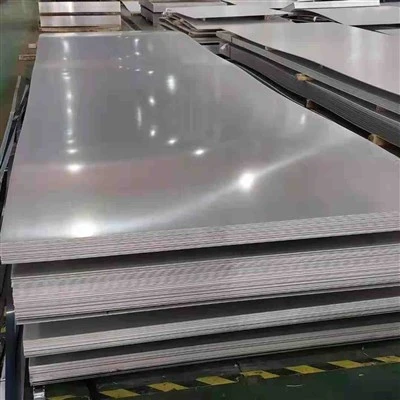
Is Pure Iron Better Than Steel? Industry Insights from Beilun Metal
Pure iron and steel are both vital materials across various industries, but their differences in composition and properties make them suited for distinct purposes. As a leading pure iron manufacturer, Beilun Metal often encounters the question: Is pure iron better than steel? The answer isn't a simple yes or no-it depends on the application and the specific requirements of your project. In this article, we'll dive into the characteristics of pure iron and steel, compare their strengths and weaknesses, and explain why Beilun Metal's pure iron stands out as the ideal choice for certain industries. This comprehensive guide is designed to help you make informed decisions while boosting your understanding of these materials.
What is Pure Iron?
Pure iron is iron in its most elemental form, with a purity level exceeding 99%. Unlike other iron-based materials, it contains minimal impurities such as carbon, sulfur, or phosphorus. This high purity gives pure iron unique properties that set it apart:
Softness and Ductility: Pure iron is softer and more malleable than steel, making it easier to shape into intricate forms without cracking.
Superior Magnetic Properties: It excels as a soft magnetic material, meaning it can be magnetized and demagnetized quickly and efficiently. This makes it invaluable in electromagnetic applications.
Corrosion Resistance: With fewer impurities like carbon (which can accelerate rust), pure iron offers better corrosion resistance than many steels, though it doesn't match the performance of stainless steel.
At Beilun Metal, we pride ourselves on producing high-purity iron that meets rigorous industry standards, ensuring top-tier performance for specialized applications.
What is Steel?
Steel, by contrast, is an alloy of iron combined with carbon and often other elements like manganese, chromium, or nickel. These additions enhance its properties, making steel a versatile material with a wide range of uses:
Strength and Hardness: Steel is typically stronger and harder than pure iron, which is why it's a go-to material for construction, tools, and machinery.
Customizable Properties: The type and amount of alloying elements determine steel's characteristics. For instance, stainless steel (with chromium) resists corrosion, while high-carbon steel is prized for its hardness in cutting tools.
Reduced Ductility: The added elements make steel less malleable than pure iron, which can limit its flexibility in certain shaping processes.
Steel's adaptability makes it a cornerstone of modern industry, but its alloyed nature means it's not always the best fit for applications requiring purity or specific magnetic qualities.
Pure Iron vs. Steel: A Detailed Comparison
To determine whether pure iron is better than steel, let's break down their key differences in a side-by-side comparison:
| Property | Pure Iron | Steel |
|---|---|---|
| Composition | Over 99% iron, minimal impurities | Iron alloyed with carbon and other elements |
| Strength | Softer, less strong | Stronger, harder |
| Ductility | Highly ductile, easy to shape | Less ductile, harder to form |
| Magnetic Properties | Excellent soft magnetic performance | Varies; often less efficient magnetically |
| Corrosion Resistance | Better than carbon steel, less than stainless steel | Varies; stainless steel excels here |
| Common Applications | Electromagnets, transformers, research | Construction, tools, vehicles, appliances |
This table highlights that neither material is universally "better"-their suitability depends on the task at hand.
When Does Pure Iron Outshine Steel?
While steel's strength and versatility make it a popular choice, pure iron has distinct advantages in specific scenarios:
Electromagnetic Applications: Pure iron's exceptional soft magnetic properties-its ability to magnetize and demagnetize with minimal energy loss-make it the preferred material for electromagnets, transformers, and inductors. Steel, with its alloyed composition, often falls short in these applications.
Corrosion-Sensitive Settings: In environments where carbon accelerates rust (e.g., chemical processing or marine conditions), pure iron's higher corrosion resistance compared to carbon steel is a significant benefit. While stainless steel outperforms it, pure iron remains a cost-effective alternative for certain uses.
Scientific and Prototyping Needs: Researchers and engineers favor pure iron for its uniform composition, which eliminates variables caused by impurities. This makes it ideal for experiments and precision prototypes.
Beilun Metal's pure iron is engineered to excel in these areas, offering reliability and consistency for industries that demand precision.
Why Beilun Metal's Pure Iron Stands Out
As a trusted name in the pure iron industry, Beilun Metal brings unmatched expertise and quality to the table. Here's why our pure iron is a top choice for discerning clients:
Unrivaled Purity: With a purity level exceeding 99%, our iron minimizes impurities, ensuring optimal performance in critical applications.
Tailored Solutions: We offer pure iron in various forms-billets, sheets, or custom shapes-designed to meet your project's exact specifications.
Industry Expertise: Decades of experience and advanced technology allow us to produce pure iron that adheres to the highest global standards.
Worldwide Availability: From aerospace to electronics, we supply industries across the globe with timely delivery and exceptional support.
Eco-Friendly Production: Our sustainable manufacturing processes reduce waste and energy use, aligning with the needs of environmentally conscious businesses.
Choosing Beilun Metal means partnering with a manufacturer dedicated to quality, innovation, and customer satisfaction.
Choosing the Right Material for Your Needs
So, is pure iron better than steel? It depends on what you're looking for. Steel excels in applications requiring strength, durability, and versatility, making it indispensable for construction, manufacturing, and more. However, pure iron shines in scenarios where magnetic performance, corrosion resistance, and purity are paramount-think electromagnetic systems, research, or corrosion-sensitive environments.
At Beilun Metal, we specialize in delivering high-quality pure iron that empowers industries to achieve precision and excellence. Whether you're designing cutting-edge transformers or conducting groundbreaking research, our pure iron provides the performance you need.
Ready to explore how Beilun Metal's pure iron can elevate your next project? Visit www.blpureiron.com to learn more about our products or contact our expert team for personalized guidance.