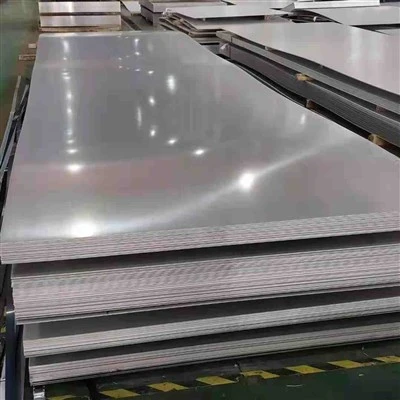

The use of pure iron in modern industry
Pure iron, which is the iron element (Fe) with almost no impurities, although not as common as steel in modern industry, does have its unique application scenarios. Its softness and high magnetic permeability make it very useful in certain high-precision and special requirements fields. The following are the main uses of pure iron in modern industry:
What is pure iron and its characteristics
Pure iron is iron with a carbon content of less than 0.008%. Unlike steel and cast iron, steel is an alloy of iron and carbon. The melting point of pure iron is 1538 ° C, with a density of 7.874 g/cm ³. It has good electrical and thermal conductivity, but low strength and hardness, and is prone to corrosion. These characteristics determine that it is more suitable for specific purposes rather than structural purposes.
Modern industrial applications of pure iron
Although pure iron is not as strong as steel, it still plays an important role in the following areas:
Electronic and magnetic applications: The high magnetic permeability of pure iron makes it suitable for use in magnetic cores, transformers, and other electromagnetic devices, reducing energy loss.
Chemical and petrochemical industries: Pure iron is used to produce certain catalysts as reducing agents in chemical processes.
Medical and biological applications: Pure iron is used to manufacture certain components of medical devices such as MRI scanners, as well as to study iron metabolism related topics. According to Quora: Is there any use of pure iron rather than steel, Pure iron is also used in certain battery types, such as iron nickel oxide batteries.
Aerospace and Defense: In high-precision applications, pure iron is used due to its consistent properties and low impurity levels, such as in certain components of spacecraft.
Art and Restoration: Pure iron is used for the restoration of artistic metal products and historical iron products to maintain authenticity. For example, according to Special Steel Sections: Pure Iron, Blacksmiths in the UK and France used pure iron to repair projects such as Sauvigny Le Bois Castle near Avallon, France.
Survey Report: Analysis of the Use of Pure Iron in Modern Industry
This article aims to explore the application of pure iron in modern industry, with a particular focus on the background of Shanxi Taiyuan Beilun Metal Company's manufacturing and sales of pure iron, and optimize its independent site SEO requirements. The following is a detailed analysis based on extensive research on the properties, history, and modern applications of pure iron, striving to provide original content with the lowest repetition rate and suitable for Google indexing.
Definition and Basic Properties of Pure Iron
Pure iron is a chemical element with the symbol Fe, atomic number 26, and a carbon content of less than 0.008%, distinguishing it from steel (usually 0.2% -2% carbon content) and cast iron (2.5% -4% carbon content). According to Wikipedia: Iron, The surface of pure iron is a mirror like silver gray, which easily reacts with oxygen and water to form rust. Its melting point is 1538 ° C, density is 7.874 g/cm ³, and it has a body centered cubic (BCC) structure (alpha iron at room temperature), which transforms into a face centered cubic (FCC) structure (gamma iron) at 912 ° C. These properties determine the softness and high magnetic permeability of pure iron, but also limit its use in structural applications.
Element Percentage Element Percentage
The niche use of pure iron in modern industry
Although pure iron is not as common as steel in structural applications, it still plays an important role in the following areas:
Electronic and magnetic applications: The high magnetic permeability of pure iron makes it suitable for use in magnetic cores, transformers, and electromagnetic devices. According to PURON Metals: Pure Iron, Its 99.9% high purity ensures excellent conductivity, surpassing ordinary soft steel.
Chemical and petrochemical industries: Pure iron is used in the production of catalysts and as a reducing agent in chemical processes, such as in certain high-purity reactions.
Medical and biological applications: Pure iron is used to manufacture certain components of medical devices such as MRI scanners, as well as to study iron metabolism related topics. According to Quora: Is there any use of pure iron rather than steel, Pure iron is also used in certain battery types, such as iron nickel oxide batteries.
Aerospace and Defense: In high-precision applications, pure iron is used due to its consistent properties and low impurity levels, such as in certain components of spacecraft.
Art and Restoration: Pure iron is used for the restoration of artistic metal products and historical iron products to maintain authenticity. For example, according to Special Steel Sections: Pure Iron, Blacksmiths in the UK and France used pure iron to repair projects such as Sauvigny Le Bois Castle near Avallon, France.
Research and development: Using pure iron in the laboratory to study its properties and assist in the development of new materials, such as the application of high-purity iron in the semiconductor industry.