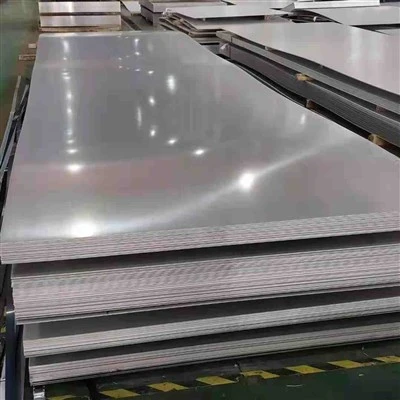

Is Pure Iron Soft? Unveiling the Strengths of a Remarkable Material by Beilun Metal
Pure iron, often overshadowed by its alloyed counterpart steel, is a material of extraordinary versatility. While its softness is frequently noted, this characteristic is not a weakness but a strategic advantage in applications demanding precision, electromagnetic efficiency, and ultra-high purity. At Beilun Metal, we specialize in refining pure iron to unlock its full potential. In this article, we explore why pure iron's softness is a virtue, delving into its smelting processes, electromagnetic properties, and the industries that rely on its unique benefits.
1. The Softness of Pure Iron: A Feature, Not a Flaw
Pure iron (≥99.8% Fe) is indeed softer than most steels due to its near absence of carbon and alloying elements. However, this softness is a hallmark of its high ductility and malleability, enabling it to excel in applications where mechanical hardness is secondary to functional performance.
Crystal Structure:
Pure iron's body-centered cubic (BCC) lattice structure allows dislocations to move freely, reducing internal stress and enhancing formability.
Machinability:
Its softness permits precise machining into thin laminations, intricate cores, and delicate components without cracking-a critical advantage for electromagnetic devices.
While steel derives hardness from carbon and alloys, these additions introduce brittleness and magnetic inefficiencies, making pure iron indispensable in specialized sectors.
2. Smelting Processes: Engineering Softness Through Purity
The softness of pure iron is a direct result of its exceptional purity, achieved through advanced smelting techniques at Beilun Metal.
Key Steps in Pure Iron Production
Vacuum Induction Melting (VIM):
Conducted in a vacuum to eliminate oxygen, nitrogen, and carbon.
Reduces impurities to <0.02%, ensuring a clean, homogeneous microstructure.
Electrolytic Refining:
Dissolves raw iron anodes and deposits ultra-pure iron cathodes (99.98% Fe).
Removes trace elements like sulfur and phosphorus that harden the material.
Annealing:
Post-processing heat treatment relieves residual stresses, further enhancing softness and magnetic uniformity.
Contrast with Steel Production
Steel's hardness arises from carbon (0.2–2.1%) and alloying elements (e.g., chromium, nickel). Processes like Basic Oxygen Furnace (BOF) introduce carbon, while Electric Arc Furnace (EAF) recycling often retains trace impurities. These additives create hard carbide phases but degrade magnetic performance and ductility.
3. Electromagnetic Excellence: How Softness Enhances Performance
Pure iron's softness is intrinsically linked to its status as a premier soft magnetic material. Its ability to magnetize and demagnetize efficiently makes it irreplaceable in electromagnetic applications.
Critical Electromagnetic Properties
High Magnetic Permeability (µ):
Pure iron achieves µ > 5,000, far exceeding silicon steel (µ ~1,500–4,000). This allows rapid magnetic flux conduction with minimal energy loss.
Low Coercivity (<80 A/m):
Softness reduces the energy required to reorient magnetic domains, minimizing hysteresis losses.
High Saturation Flux Density (~2.15 Tesla):
Outperforms most steels, enabling compact, high-power electromagnetic designs.
Why Steel Falls Short
Carbon and alloying elements in steel create grain boundaries and residual stresses, impeding domain wall motion.
Eddy current losses increase due to lower electrical resistivity compared to pure iron.
4. Applications Leveraging Pure Iron's Softness
Transformers & Inductors
Pure iron cores in high-frequency transformers reduce eddy current and hysteresis losses, improving energy efficiency by up to 30% compared to steel.
Softness allows laminations to be stacked tightly, minimizing air gaps and magnetic reluctance.
Sensors & Precision Instruments
MRI machines, robotics, and aerospace sensors rely on pure iron's predictable magnetic response and noise-free operation.
Easily machined into ultra-thin shims or complex shapes for bespoke designs.
Electromagnetic Shielding
Pure iron's uniform microstructure provides superior attenuation of electromagnetic interference (EMI) in sensitive electronics and communication systems.
Renewable Energy Systems
Wind turbine generators and solar inverters use pure iron cores to handle variable loads efficiently, reducing heat generation and maintenance costs.
5. Beilun Metal's Pure Iron: Where Softness Meets Superiority
At Beilun Metal, we engineer pure iron to maximize its innate advantages:
Ultra-High Purity: Our proprietary refining process ensures impurity levels <50 ppm, guaranteeing consistency in softness and magnetic performance.
Custom Annealing: Tailored heat treatments optimize grain structure for specific applications, balancing softness with mechanical resilience.
Sustainability: Pure iron's recyclability (99% recovery rate) aligns with global green manufacturing initiatives.
Conclusion: Softness as a Strategic Advantage
Pure iron's softness is not a limitation but a defining trait that enables breakthroughs in electromagnetism, precision engineering, and energy efficiency. While steel dominates in structural roles, pure iron reigns supreme in applications where magnetic performance, purity, and machinability are paramount.
At Beilun Metal, we transform the inherent softness of pure iron into a competitive edge for industries ranging from healthcare to renewable energy. By choosing our ultra-pure iron solutions, you invest in a material that delivers unmatched electromagnetic efficiency, sustainability, and reliability-proving that sometimes, softness is the ultimate strength.
Choose Beilun Metal-Pioneers in Pure Iron Innovation.
Beilun Metal is a global leader in high-purity iron production. Contact us to discover how our materials can elevate your next project.
5 / 5