1. Fundamental Properties of Pure Iron
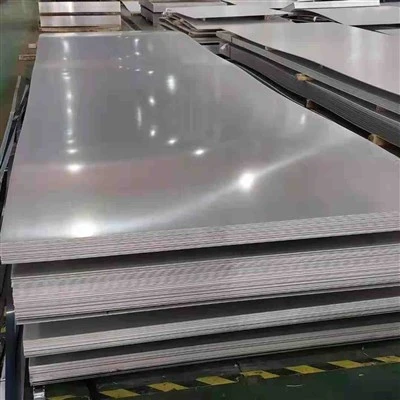
Pure iron (≥99.8% Fe) serves as the cornerstone of modern metallurgy. As a leading pure iron manufacturer, Beilun Metal explores its intrinsic properties that drive applications across industries.
1.1 Basic Physical & Chemical Properties
|
Property |
Value/Rating |
Industrial Significance |
|
Crystal Structure |
BCC (α-iron) |
Dictates ductility & magnetism |
|
Melting Point |
1538°C |
High-temp stability in foundries |
|
Density |
7.874 g/cm³ |
Lightweight structural efficiency |
|
Electrical Conductivity |
10.3 MS/m |
EMI/RFI shielding applications |
|
Thermal Conductivity |
80.4 W/m·K |
Heat exchanger suitability |
Key Insight: Pure iron's body-centered cubic (BCC) lattice enables unique magnetic behavior, making it irreplaceable in transformer cores and sensors.
2. Mechanical Performance Breakdown
2.1 Strength vs Ductility Trade-off
|
Grade |
Tensile Strength (MPa) |
Elongation (%) |
Hardness (HBW) |
|
Low-Carbon Pure Fe |
220–280 |
35–50 |
50–70 |
|
Ultra-High Purity Fe |
180–240 |
50–65 |
40–60 |
Note: Beilun's vacuum-melted pure iron achieves elongation up to 70% via oxygen control (<30 ppm).
2.2 Fatigue & Creep Resistance
- Fatigue Limit: 150–200 MPa (10⁷ cycles, R=−1)
- Creep Threshold: 450°C (0.5% strain/10,000h)
-Applications: Turbine shafts, precision gears requiring long-term stability.
3. Magnetic & Electrical Behavior
3.1 Soft Magnetic Properties
|
Parameter |
Pure Iron Value |
Industry Benchmark |
|
Saturation Flux (Bs) |
2.15 T |
1.6–2.0 T (Si steel) |
|
Coercivity (Hc) |
80 A/m |
500–1000 A/m (steels) |
|
Permeability (μ) |
5000 (max) |
2000–4000 (alloys) |
Why It Matters: Pure iron's high Bs and low Hc make it ideal for high-efficiency motors and MRI magnet yokes.
3.2 Electrical Conductivity Optimization
- Impurity Impact:
- Carbon ↑1% → Conductivity ↓15%
- Oxygen ↑100 ppm → Resistivity ↑8%
Beilun's Solution: Proprietary deoxidation tech maintains resistivity at 9.7 μΩ·cm(99.99% Fe).
4. Corrosion Resistance Mechanisms
4.1 Environmental Interaction Analysis
|
Environment |
Corrosion Rate (mm/year) |
Protective Strategy |
|
Dry Air |
0.001 |
Passive oxide layer (Fe₃O₄) |
|
Saltwater (3.5% NaCl) |
0.5–1.2 |
Phosphate coating (Beilun CR系列) |
|
Acidic (pH 2) |
4.8+ |
Alloying with Ni/Cr (定制方案) |
Case Study: Beilun's CR-5 coating reduces marine corrosion to 0.08 mm/year (ASTM G31).
5. Industrial Applications & Material Selection
5.1 Sector-Specific Performance Requirements
|
Industry |
Critical Property |
Beilun's Tailored Solution |
|
Electronics |
High permeability |
99.995% Fe, O ≤20 ppm |
|
Energy |
Low eddy current loss |
Thin laminations (0.1–0.5mm) |
|
Medical |
Biocompatibility |
ASTM F138 compliant grades |
|
Automotive |
Fatigue resistance |
Controlled inclusion size ≤10 μm |
6. Why Choose Beilun Metal's Pure Iron?
6.1 Technological Advantages
- Purity Control: Hydrogen/Nitrogen decarburization for C ≤0.008%
- Inclusion Engineering: ASTM E45 A-S1 ≤0.5 (vs. standard ≤2)
- Customization: 200+ alloy variants (e.g., Fe-Si, Fe-P)
6.2 Quality Assurance
|
Stage |
Method |
Standard |
|
Melt Analysis |
Glow Discharge Mass Spec (GDMS) |
ISO 17025 |
|
Mechanical Testing |
Instron 5984 + 3D DIC |
ASTM E8/E21 |
|
Magnetic Testing |
B-H Loop Tracer |
IEC 60404-4 |
Q&A
Q: How does pure iron differ from mild steel?
A: Pure iron (≥99.8% Fe) lacks intentional carbon addition (<0.02% vs. steel's 0.2–2.1% C), granting superior ductility and magnetism.
Q: Can pure iron be hardened?
A: Only via cold working – heat treatment has minimal effect due to absent carbide-forming elements.
Q: Does Beilun supply RoHS-compliant pure iron?
A: Yes – All grades meet EU Directive 2011/65/EU with full Material Declaration Sheets.