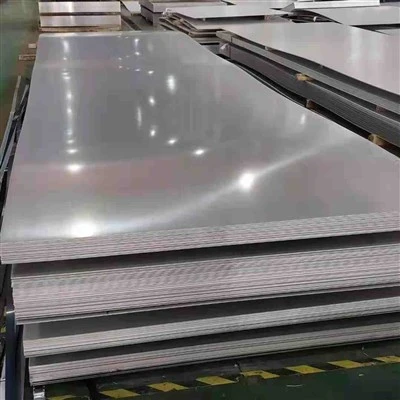

1. Composition & Manufacturing
Pure Iron
- Purity: Contains 99.8%+ iron with minimal impurities (carbon <0.02%, trace elements like sulfur and phosphorus <0.01%).
- Production: Refined through processes like electrolysis or vacuum melting to eliminate impurities. Often undergoes annealing to optimize grain structure.
Alloyed Iron (Alloy Steel)
- Composition: Iron blended with intentional additives like carbon (0.1–2%), chromium, nickel, or manganese to alter properties.
- Production: Alloying elements are introduced during smelting, followed by heat treatments (e.g., quenching, tempering) to achieve desired traits.
2. Key Properties Compared
|
Property |
Pure Iron |
Alloyed Iron |
|
Magnetic Response |
Exceptional permeability, low hysteresis |
Reduced permeability (depends on additives) |
|
Strength |
Moderate tensile strength (260–320 MPa) |
High strength (500–2000+ MPa, varies by alloy) |
|
Ductility |
High elongation (20–30%) |
Lower ductility (trade-off for strength) |
|
Corrosion Resistance |
Prone to rust without coatings |
Enhanced resistance (e.g., stainless steels) |
|
Electrical Conductivity |
High conductivity |
Reduced due to alloying elements |
3. Industrial Applications
Pure Iron Excels In:
- Magnetic Systems: Transformer cores, solenoid valves, and shielding due to unmatched magnetic softness.
- Electronics: Sensor components requiring minimal electromagnetic interference.
- Research: High-purity applications like laboratory equipment or particle accelerators.
Alloyed Iron Excels In:
- Structural Loads: Beams, automotive frames, and machinery needing high strength-to-weight ratios.
- Harsh Environments: Stainless steel (chromium-nickel alloys) for chemical plants or marine hardware.
- Wear Resistance: Tool steels (e.g., with vanadium or tungsten) for cutting blades or dies.
4. Cost & Machinability
- Pure Iron: Lower raw material costs but may require specialized machining to maintain purity. Annealed grades simplify forming and stamping.
- Alloyed Iron: Higher costs due to alloying elements and complex processing. Hardened alloys can increase tool wear during machining.
5. Why Choose Pure Iron?
While alloyed irons dominate high-strength or corrosion-resistant roles, pure iron remains irreplaceable in applications where magnetic performance, electrical conductivity, or ultra-low impurity levels are non-negotiable. Its versatility in precision annealing also allows tailored properties for niche industrial needs.