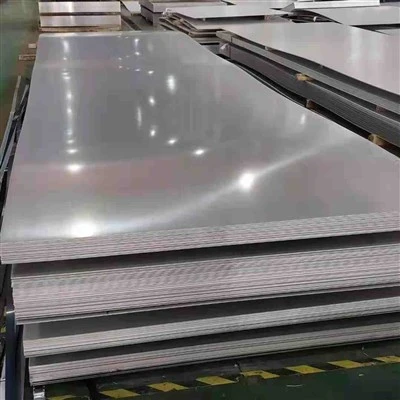

Pure Iron vs. Steels
As a manufacturer of high-purity iron, we frequently address inquiries about how our product compares to traditional steels. While both are iron-based materials, their properties, production methods, and ideal applications diverge significantly. Below, we demystify these differences to empower your decision-making.
1. Chemical Composition: The Foundation of Distinction
Pure Iron
Ultra-Low Carbon: Typically contains <0.02% carbon, ensuring minimal hardening.
High Purity: Free from sulfur, phosphorus, and other impurities, thanks to advanced refining techniques like electrolysis or hydrogen reduction.
Homogeneous Structure: Predominantly α-ferrite (body-centered cubic iron) with no carbides or pearlite.
Steels
Variable Carbon Content: Ranges from 0.03% (mild steel) to over 2% (cast iron), influencing hardness and strength.
Alloying Additions: Often include manganese, chromium, nickel, or vanadium to enhance specific properties (e.g., corrosion resistance, toughness).
Complex Microstructures: May contain pearlite, bainite, martensite, or austenite, depending on composition and heat treatment.
2. Mechanical Behavior: Softness vs. Strength
Pure Iron
Exceptionally Soft & Malleable: Ideal for applications requiring deep drawing, stamping, or bending without cracking.
Low Yield Strength: ~150–250 MPa (lower than most steels), but can be work-hardened slightly.
Non-Magnetic (Sometimes): Annealed pure iron exhibits weak magnetism; cold-worked variants may become slightly magnetic.
Steels
High Strength & Hardness: Carbon and alloying elements boost tensile strength (e.g., 400–2,000 MPa for tool steels).
Brittleness Risk: Higher carbon content reduces ductility, making some steels prone to cracking under impact.
Heat-Treatable: Quenching and tempering can tailor hardness and toughness for specific uses.
3. Manufacturing Methods: From Ore to Material
Pure Iron Production
Electrolytic Refining: Uses renewable energy to deposit pure iron onto a cathode, achieving 99.95%+ purity.
Hydrogen Reduction: Alternative green method to strip oxygen from iron ore without carbon emissions.
Steel Production
Blast Furnace + Basic Oxygen Furnace (BOF): Combines iron ore with coke (carbon source) at 1,500°C, producing high-carbon pig iron.
Electric Arc Furnace (EAF): Melts scrap steel with alloying elements for cost-effective, customized grades.
4. Thermal and Chemical Behavior
- Heat Treatment:
- Pure iron cannot be hardened by heat treatment due to its low carbon content. Its microstructure remains ferritic (body-centered cubic, BCC) at room temperature.
- Steel undergoes phase transformations (e.g., austenite to martensite) during quenching and tempering, enabling tailored hardness and toughness.
- Reactivity:
- Pure iron reacts readily with oxygen and moisture, forming rust. This limits its industrial use without protective coatings.
- Alloying elements in steel (e.g., chromium in stainless steel) form passive oxide layers, improving corrosion resistance.
5. Applications: Where Each Material Shines
Pure Iron
Electronics: Magnetic cores, soft ferrites, and RF shielding (due to low hysteresis loss).
Aerospace: Lightweight, corrosion-resistant structural components.
Medical Devices: Surgical tools, implants (biocompatible and rust-resistant).
Specialty Chemicals: Catalysts, hydrogen storage, and battery electrodes (requires ultra-high purity).
Steels
Construction: Skyscraper beams, bridges, and rebar (requiring high strength).
Automotive: Crash-resistant body panels, engine parts, and tools (needing wear resistance).
Infrastructure: Pipelines, rail tracks, and heavy machinery (benefiting from steel's toughness).
Why Opt for Pure Iron?
When Softness & Purity Are Critical: Applications like electronics, medical devices, or aerospace demand impurity-free materials.
For Sustainability Goals: Reduce your carbon footprint with a material aligned with net-zero targets.
To Avoid Corrosion Costs: Save on maintenance and replacement costs in harsh environments.