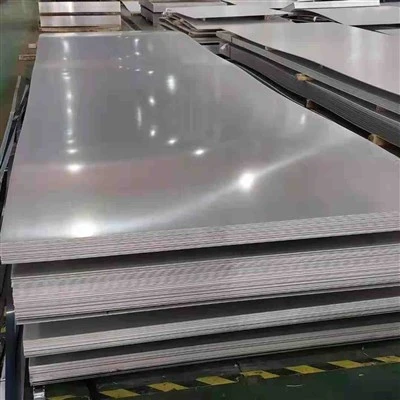
Beilun Metal's development of ultra-low carbon steel, also referred to as pure iron, marks a significant innovation in the steel industry, particularly in terms of sustainability and efficiency. This type of steel has an extraordinarily low carbon content-often under 0.03%, and in certain cases, it can be reduced even further. The ultra-low carbon content plays a crucial role in the overall performance and environmental impact of the steel during its production and subsequent applications. When ultra-low carbon steel is melted into other low-carbon steel or low-carbon stainless steel, the process becomes significantly cleaner. The reduction in impurities during smelting leads to a higher quality end product with fewer waste residues, making it an ideal choice for industries that prioritize environmental sustainability.
In traditional steelmaking, scrap steel is often used as a substitute for pure iron in the smelting process. While scrap can still be a cost-effective solution, it comes with its own set of challenges, particularly in terms of quality and environmental impact. Scraps, depending on their source, often contain contaminants or higher levels of impurities that can affect the overall purity of the steel, leading to the generation of more waste and requiring additional refining steps. On the other hand, ultra-low carbon steel, due to its high purity, reduces the need for complex refining, thereby minimizing waste and lowering energy consumption during the production process.
As global awareness of environmental protection intensifies, more and more steel mills are recognizing the long-term benefits of producing ultra-low carbon steel, even if it requires a higher initial investment compared to using recycled scrap steel. In today's increasingly regulated industrial environment, mills are under pressure to reduce carbon emissions, minimize pollutants, and adhere to stricter environmental guidelines. By choosing ultra-low carbon steel, they can significantly reduce their carbon footprint throughout the production cycle. This not only helps companies comply with environmental standards but also enhances their reputation in the market as eco-friendly and socially responsible businesses.
Moreover, the shift towards ultra-low carbon steel aligns with the growing demand for low-carbon and high-performance materials, particularly in sectors such as automotive manufacturing, construction, and electronics. Low-carbon stainless steel, in particular, is highly sought after for its corrosion resistance and longevity, making it a preferred material for high-end, durable products. Ultra-low carbon steel serves as the perfect raw material for producing such alloys, as it ensures a cleaner and more efficient smelting process, yielding higher-quality alloys with fewer impurities.
Another significant advantage of using ultra-low carbon steel is its potential to reduce the overall environmental impact of the steelmaking process. The lower carbon content results in less CO2 being emitted during both the smelting and alloying processes, contributing to a greener production cycle. This reduction in carbon emissions aligns with global initiatives to combat climate change and reduce industrial pollution. Steel mills that adopt ultra-low carbon steel are making a proactive contribution to meeting these environmental goals, which is increasingly becoming a key factor in attracting both consumers and investors who prioritize sustainability.
While the adoption of ultra-low carbon steel may involve higher production costs in the short term, its long-term benefits are undeniable. The superior quality, environmental sustainability, and efficiency it offers make it a wise investment for steel mills looking to stay ahead in an increasingly competitive and environmentally-conscious market. Not only does it allow companies to reduce their reliance on scrap steel and the associated challenges, but it also positions them as leaders in the transition to more sustainable industrial practices. As the global steel industry continues to evolve, choosing ultra-low carbon steel is not just a strategic business decision; it's a step towards a cleaner, greener, and more sustainable future for all.