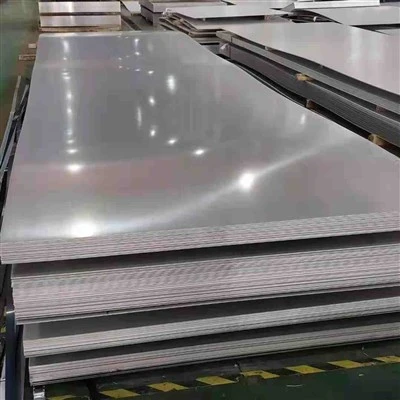

What is Pure Iron? Definition, Properties, and Industrial Applications
Definition and core characteristics of pure iron
**Pure Iron * * refers to a metal material with an iron content of ≥ 99.8%, which deeply removes impurities such as carbon, sulfur, and phosphorus through processes such as vacuum degassing (VD/VD) and electrolytic refining. Compared to ordinary steel (with a carbon content of 0.1% -2.1%), the core difference lies in:
Ultra low carbon (C ≤ 0.02%): eliminates the interference of carbides on electromagnetic properties
High magnetic permeability (μ ≥ 5000): suitable for high-frequency magnetic field environments
Low coercivity (Hc ≤ 80A/m): reduces hysteresis loss
The production process and technical difficulties of pure iron
Refining process:
Vacuum Deoxygenation (VOD): Inject argon gas into molten iron in a vacuum environment, with a desulfurization rate of>95%
Zone Refining: Separating impurities through directional solidification, with a purity of up to 99.99%
Difficulties in quality control:
Trace oxygen (O ≤ 30ppm) causes grain boundary embrittlement
Non metallic inclusions must be controlled to ≤ 0.5 grade (ASTM E45 standard)
Analysis of Key Differences between Pure Iron and Low Carbon Steel
| index | pure iron | Low carbon steel (such as A36) |
|---|---|---|
| iron content | ≥99.8% | 98%-99.5% |
| carbon content | ≤0.02% | 0.15%-0.29% |
| Conductivity | 10.3×10⁶ S/m | 6.99×10⁶ S/m |
| Typical Uses | Magnetic shielding, superconducting substrate | Building structure, mechanical components |
5 major application scenarios of pure iron in high-end manufacturing industry
Electronic components:
Case: The iPhone vibration motor magnetic yoke is made of 99.95% pure iron billet, reducing eddy current losses by 40%
New energy motor:
Tesla Model 3's drive motor stator uses pure iron laminations, increasing efficiency to 97%
Research equipment:
The vacuum chamber of the European Organization for Nuclear Research (CERN) synchrotron uses ultra-low carbon (C ≤ 0.008%) pure iron
medical apparatus and instruments:
The magnetic pole heads of MRI equipment must meet the ISO 5832-1 biocompatibility standard
In the military industry:
Submarine soundproof tile substrate requires sulfur content ≤ 0.003% to avoid seawater corrosion
How to choose a qualified pure iron supplier?
Certification requirements:
Material standards: ASTM A848,JIS C2504,GB/T 6983
Test report: Must include OES spectral analysis+residual stress detection
Process validation:
Require suppliers to provide grain size ratings (usually ≥ ASTM No.6)
Check if vacuum casting equipment is available (to avoid secondary oxidation)
Advantages of Beilun Metal:
20 years of focus on high-purity iron research and development, purity stability ± 0.03%
Provide free magnetic performance simulation reports (generated by Maxwell 3D software)
Common Misconceptions and FAQ
Q: Can pure iron replace silicon steel?
A: Silicon steel is the preferred choice in low-frequency and high magnetic induction scenarios, such as transformers; In high-frequency and low loss scenarios (such as 5G base station filters), pure iron has more advantages.
Q: Is pure iron easy to rust?
A: It will oxidize, but can withstand salt spray testing for ≥ 96 hours through surface nickel plating (2-5 μ m) or phosphating treatment.
Q: Why is the price of pure iron higher than that of ordinary steel?
A: Refining energy costs increase by 3-5 times, and the yield rate is only 65-75% (ordinary steel>95%).