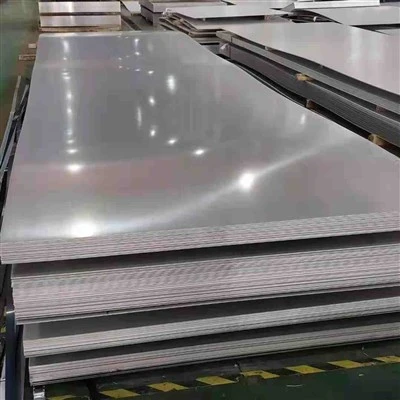

Advanced Techniques in Pure Iron Production: From Smelting to High-Purity Refining
Introduction to Pure Iron
Pure iron, characterized by a purity level exceeding 99.9%, stands as a cornerstone material in numerous high-tech industries due to its exceptional properties. Unlike conventional iron, which contains notable amounts of carbon and other impurities, pure iron boasts superior magnetic characteristics, enhanced ductility, and increased resistance to corrosion in specific environments. These qualities make it essential for applications such as:
Electrical Steels: Utilized in transformers and motors for their excellent magnetic properties.
Research and Development: Employed in laboratories to study iron's intrinsic properties without impurity interference.
Specialized Alloys: Serving as a base metal for crafting high-purity alloys.
Pharmaceutical and Food Industries: Valued for its purity to prevent contamination.
The production of pure iron begins with smelting iron ore, a process that has undergone significant advancements to meet modern purity demands. At Beilun Metal, a leading pure iron producer, we leverage these advanced techniques to deliver products that adhere to the highest industry standards. This article explores the journey from smelting to high-purity refining, highlighting the sophisticated methods that define contemporary pure iron production.
Smelting Process
Smelting marks the initial stage of iron production, transforming iron ore into metallic iron. Traditionally, this occurs in a blast furnace, where iron ore, coke, and limestone are heated to produce pig iron. This pig iron typically contains 4-5% carbon and impurities like silicon, manganese, and phosphorus-far too impure for pure iron applications.
To address this, advanced smelting techniques have emerged to reduce impurities from the outset:
Direct Reduction: This method uses gas or alternative reducing agents to convert iron ore into sponge iron, which has a lower carbon content and fewer impurities than pig iron. It serves as an ideal starting point for pure iron production.
Electric Arc Furnace (EAF): By melting high-purity scrap iron or direct reduced iron under controlled conditions, EAFs minimize impurity introduction. Careful selection of raw materials and precise atmospheric control enhance the quality of the smelted iron.
At Beilun Metal, our state-of-the-art smelting facilities incorporate these advanced technologies. We prioritize high-quality raw materials and optimized processes to produce iron with minimal impurities, laying a robust foundation for subsequent refining.
Refining Techniques
Post-smelting, the iron undergoes refining to achieve the stringent purity levels required for pure iron. Basic refining starts with:
Oxidation: Oxygen is blown through molten iron to oxidize impurities like carbon, silicon, and manganese, which are removed as gases or slag. Known as the basic oxygen process, this reduces carbon content effectively but falls short for high-purity needs.
For pure iron, advanced refining methods are employed:
Vacuum Degassing: This technique subjects molten iron to a vacuum, extracting dissolved gases and volatile impurities. It significantly boosts purity by eliminating elements that could compromise performance.
Electroslag Remelting (ESR): Here, iron is melted under a protective slag layer. As droplets pass through the slag, impurities are absorbed, yielding a refined product with enhanced homogeneity.
Zone Refining: Used for ultra-high purity, this method involves passing a molten zone through an iron ingot multiple times. Impurities concentrate in the molten zone and are subsequently removed, achieving exceptional purity levels.
Beilun Metal integrates these cutting-edge refining techniques, tailoring our processes to meet diverse client specifications. Our continuous monitoring and optimization ensure consistent, high-quality pure iron output.
Quality Control and Testing
Achieving and verifying purity is critical in pure iron production. At Beilun Metal, our quality control begins with selecting premium raw materials-high-grade iron ore and reducing agents-to minimize initial impurities.
Throughout production, we utilize real-time monitoring systems to track parameters like temperature, pressure, and chemical composition, enabling immediate adjustments to maintain optimal conditions. Post-refining, our pure iron undergoes rigorous testing:
Chemical Analysis: Techniques such as inductively coupled plasma mass spectrometry (ICP-MS) and X-ray fluorescence (XRF) detect impurities at parts-per-million levels.
Physical Testing: We assess magnetic properties, electrical conductivity, and mechanical strength to confirm the iron meets application-specific standards.
Microscopic Examination: This identifies inclusions or defects that could indicate impurities.
Our adherence to international standards and certifications underscores our commitment to quality. Beilun Metal's pure iron products consistently meet or exceed industry benchmarks, ensuring reliability and performance for our customers.
Producing pure iron is a sophisticated endeavor, requiring advanced techniques and unwavering precision. From optimized smelting to high-purity refining, each stage is vital to delivering a product that meets the exacting demands of modern industries.
As a leader in pure iron production, Beilun Metal harnesses state-of-the-art technologies and stringent quality controls to provide exceptional materials. Whether for electrical applications, research, or specialized alloys, we are committed to excellence. For more information or to explore how our pure iron can meet your needs, contact us at website. Partner with Beilun Metal to elevate your projects with the finest pure iron available.