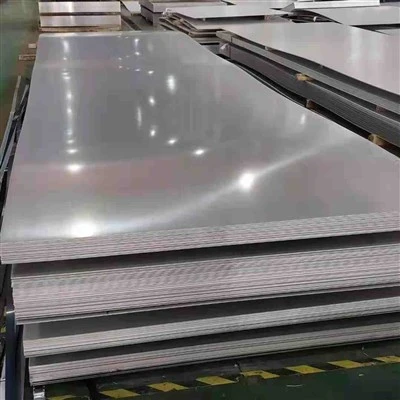

Hydrogen-Based Reduction for Pure Iron: Innovations in Decarbonized Manufacturing
Introduction to Pure Iron and Sustainable Production
In the quest for sustainable manufacturing, the iron and steel industry faces significant challenges. Traditional production methods are among the largest industrial sources of carbon dioxide emissions, contributing to global climate change. However, innovative technologies are emerging to transform this sector, with hydrogen-based reduction standing out as a promising solution for producing pure iron with a minimal carbon footprint.
Pure iron, defined as iron with a purity of over 99.9%, is essential in various high-tech applications, from electrical transformers to specialized alloys. As demand for this critical material grows, so does the need for environmentally responsible production methods. Beilun Metal, a leading producer of pure iron, is at the forefront of this transformation, embracing hydrogen-based reduction to decarbonize its manufacturing processes.
This article explores the advancements in hydrogen-based reduction for pure iron production, highlighting the innovations driving decarbonized manufacturing and Beilun Metal's commitment to sustainability.
Traditional Iron Production Methods and Their Environmental Impact
Historically, iron production has relied on the blast furnace process, where iron ore is reduced using coke, a carbon-rich material derived from coal. This method, while effective, is highly carbon-intensive. For every ton of iron produced, approximately 1.8 tons of CO2 are emitted, making the iron and steel industry responsible for about 7-9% of global greenhouse gas emissions.
The environmental impact of traditional iron production is undeniable, and with increasing pressure to meet climate goals, the industry must pivot towards cleaner alternatives. This is where hydrogen-based reduction comes into play.
Hydrogen-Based Reduction: A Sustainable Alternative
Hydrogen-based reduction offers a revolutionary approach to iron production. Instead of using carbon to extract oxygen from iron ore, this method employs hydrogen gas. The chemical reaction is straightforward: hydrogen reacts with iron oxide, producing pure iron and water vapor.
The process typically involves heating iron ore in a reactor, such as a shaft furnace or fluidized bed, and introducing hydrogen gas. The hydrogen strips oxygen from the ore, leaving behind metallic iron. Unlike the blast furnace method, which produces CO2 as a byproduct, hydrogen reduction generates only water, drastically reducing carbon emissions.
One of the key advantages of this technology is its potential to be entirely carbon-free if the hydrogen is produced using renewable energy sources, such as wind or solar power, through electrolysis of water. This aligns perfectly with global decarbonization efforts and the transition to a green economy.
However, hydrogen-based reduction is not without its challenges. The production of hydrogen, especially green hydrogen, is currently more expensive than traditional methods. Additionally, scaling up the infrastructure for hydrogen production and distribution requires significant investment. There are also technical hurdles, such as optimizing reactor designs for efficiency and ensuring the purity of the iron produced.
Despite these obstacles, the potential benefits make hydrogen-based reduction a focal point for research and development in the iron and steel industry.
Innovations in Hydrogen-Based Reduction
Recent years have seen significant advancements in hydrogen-based reduction technologies. Researchers and companies are exploring various approaches to make the process more efficient and cost-effective.
New Reactor Designs: Innovations include the development of fluidized bed reactors that enhance the interaction between hydrogen and iron ore, improving reduction rates and energy efficiency.
Advancements in Hydrogen Production: Improvements in electrolysis technology, such as proton exchange membrane (PEM) electrolyzers, are reducing the cost and increasing the efficiency of green hydrogen production.
Integrated Systems: Efforts are being made to integrate hydrogen production with iron reduction facilities, creating closed-loop systems that minimize energy loss.
Hybrid Approaches: Some companies are experimenting with combining hydrogen with other reducing agents or using hydrogen in conjunction with carbon capture and storage (CCS) technologies to further reduce emissions.
These innovations are not just theoretical; several pilot projects and demonstration plants are already operational, showcasing the feasibility of hydrogen-based iron production on an industrial scale.
Beilun Metal's Role in Decarbonized Iron Production
As a leader in pure iron production, Beilun Metal is committed to sustainability and is actively pursuing hydrogen-based reduction technologies. The company recognizes the importance of reducing its carbon footprint and is investing in research and development to integrate these innovative methods into its manufacturing processes.
Beilun Metal has initiated pilot projects to test hydrogen reduction in its facilities, achieving promising results in terms of both purity and environmental impact. By collaborating with technology providers and participating in industry consortia, the company is helping to shape the future of decarbonized iron production.
Looking ahead, Beilun Metal aims to scale up its hydrogen-based reduction capabilities, contributing to a greener, more sustainable manufacturing landscape. Through these efforts, the company not only meets the growing demand for pure iron but also sets a standard for environmental responsibility in the industry.
In conclusion, hydrogen-based reduction represents a transformative shift in pure iron production, offering a path to decarbonized manufacturing. With ongoing innovations and the commitment of industry leaders like Beilun Metal, this technology is poised to play a crucial role in achieving global climate goals while meeting the needs of modern industries.
For more information on Beilun Metal's sustainable pure iron products and our dedication to innovation, please visit our website or contact us directly.