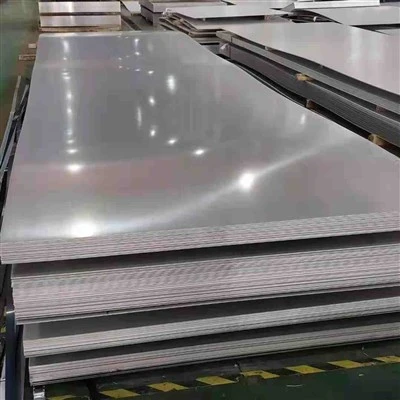

Pure iron billet is a low‑carbon high‑purity iron raw material, rarely noticed in mainstream steel markets yet critical for advanced metallurgy, soft‑magnetic parts and rare‑earth magnet manufacturing. Typical industrial grades include DT4C, RFe80 and YT01, with Fe purity ≥99.9%, strictly controlled trace elements of carbon, sulphur and phosphorusAlibaba. Even ppm‑level impurities will damage magnetic permeability, raise coercivity and cause batch performance deviation for downstream magnetic finished goods.
Unlike ordinary carbon steel billets for construction, pure iron billet targets secondary remelting, forging and hot rolling. It acts as furnace charge for melting precision alloys, electromagnetic pure iron sheets, and sintered neodymium‑iron‑boron permanent magnets. Vacuum induction melting and secondary slag refining are adopted during casting to stabilize micro‑structure and reduce non‑metallic inclusions.
Many overseas buyers confuse pure iron billet with electrolytic iron. Pure iron billet delivers cost‑effective bulk supply for mass production; electrolytic iron offers higher purity but comes with much higher unit cost for lab or ultra‑high‑end scenarios only.
Key purchasing tips for importers: verify chemical composition certificates, focus on C ≤0.015%, S ≤0.005%, check grain uniformity, and confirm whether billets are suitable for hot forging or vacuum remelting. Poor‑quality billets will trigger unstable magnetic output, cracking during hot processing and high reject rates for magnetic components.
Main end‑use fields: EV motor magnetic yokes, relay cores, NdFeB magnet raw material, vacuum chamber accessories, special alloy smelting, electrolytic equipment parts.