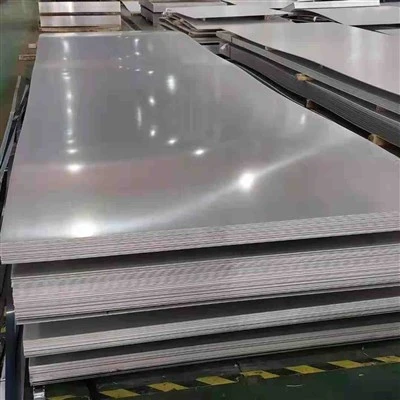
What is Pure Iron?
Pure iron is essentially iron with minimal impurities, primarily carbon, phosphorus, and sulfur. While it is theoretically challenging to achieve 100% pure iron in industrial settings, advancements in metallurgical processes have enabled the production of highly refined iron with exceptional purity levels. Industrial pure iron, often referred to as a type of steel, typically contains iron in the range of 99.90% to 99.95%, with carbon content below 0.002% and minimal amounts of other elements.
Furnace Pure Iron
Furnace Pure Iron, also known as Industrial Pure Iron or Refined Iron, is produced through a refining process that removes impurities from pig iron or iron ore. This process can involve melting the iron in a furnace and using various techniques to separate slag and other unwanted elements. The resulting iron has a low carbon content and reduced levels of phosphorus, sulfur, and other impurities, making it suitable for applications requiring high ductility and toughness.
Composition of Furnace Pure Iron
The composition of Furnace Pure Iron can vary slightly depending on the specific refining process and raw materials used. However, it generally contains:
Iron (Fe): 99.90% - 99.95%
Carbon (C): Less than 0.002%
Other Elements: Minimal amounts of silicon (Si), manganese (Mn), phosphorus (P), sulfur (S), and other trace elements.
Electromagnetic Pure Iron
Electromagnetic Pure Iron, on the other hand, is a specialized type of pure iron designed for applications requiring superior magnetic properties. It is often used in the production of electromagnetic components, such as transformer cores, solenoids, and magnetic shields. Electromagnetic Pure Iron is characterized by its low coercivity, high magnetic permeability, and low magnetic loss, making it ideal for efficient energy transfer and minimal heat generation in magnetic circuits.
Composition of Electromagnetic Pure Iron
Electromagnetic Pure Iron is produced with stringent control over its chemical composition to optimize its magnetic performance. It typically contains:
Iron (Fe): Over 99.8%
Carbon (C): Less than 0.002%
Silicon (Si): Up to 0.01%
Manganese (Mn): Up to 0.20%
Phosphorus (P) and Sulfur (S): Less than 0.004% each
Aluminum (Al): Added in small amounts (up to 0.05%) to improve magnetic properties and reduce the adverse effects of other impurities.
Key Differences Between Furnace Pure Iron and Electromagnetic Pure Iron
1. Composition
The most significant difference between Furnace Pure Iron and Electromagnetic Pure Iron lies in their chemical compositions. While both types of iron have low carbon content, Electromagnetic Pure Iron is more tightly controlled in terms of impurity levels, particularly phosphorus, sulfur, and carbon, to ensure optimal magnetic performance. Additionally, Electromagnetic Pure Iron often contains specific alloying elements, such as aluminum, to enhance its magnetic properties.
2. Production Process
The production processes for Furnace Pure Iron and Electromagnetic Pure Iron also differ. Furnace Pure Iron is typically produced through a refining process that removes impurities from pig iron or iron ore, while Electromagnetic Pure Iron requires more specialized metallurgical techniques, such as vacuum induction melting or electroslag remelting, to achieve the desired purity and composition.
3. Applications
Furnace Pure Iron is valued for its high ductility and toughness, making it suitable for applications that require mechanical strength and formability, such as automotive components, machinery parts, and construction materials. In contrast, Electromagnetic Pure Iron is primarily used in applications that demand superior magnetic properties, such as electrical transformers, electric motors, and magnetic sensors.
In summary, Furnace Pure Iron and Electromagnetic Pure Iron are both highly refined forms of iron with distinct compositions and properties. Furnace Pure Iron is characterized by its high ductility and toughness, while Electromagnetic Pure Iron is optimized for superior magnetic performance. Understanding these differences is crucial for manufacturers and buyers seeking the most suitable type of pure iron for their specific applications. As a pure iron producer, it is essential to communicate these distinctions clearly to your customers to help them make informed decisions and select the right product for their needs.