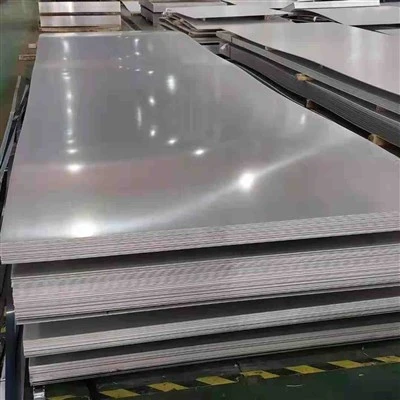
The Hidden Role of Carbon in Pure Iron
While pure iron is renowned for its magnetic and ductile properties, even trace carbon (C) residues can drastically alter its behavior. Unlike steel, where carbon strengthens the alloy, industrial-grade pure iron demands near-zero carbon levels (≤0.005%) to meet critical performance benchmarks.
Key Scientific Insights:
- Interstitial Intruder: Carbon atoms occupy gaps in iron's crystal lattice, distorting its structure and increasing brittleness.
- Magnetic Interference: Carbon disrupts domain wall movement, reducing magnetic permeability by up to 20% at 0.01% C levels.
- Corrosion Catalyst: Carbon-rich zones accelerate oxidation, shortening component lifespans in humid or acidic environments.
Industry-Specific Carbon Thresholds
|
Application |
Max Carbon Allowance |
Consequence of Excess Carbon |
|
Medical Implants |
≤0.002% |
Biocompatibility risks, MRI interference |
|
Aerospace Alloys |
≤0.003% |
Fatigue cracks under thermal cycling |
|
Semiconductor Tools |
≤0.001% |
Contamination during wafer processing |
|
High-Frequency Cores |
≤0.004% |
Eddy current losses & overheating |
How We Achieve Carbon Control: Advanced Production Methods
To meet these stringent thresholds, our pure iron production integrates:
1. Vacuum Induction Refining: Removes carbon to <0.002% by preventing atmospheric recontamination.
2. Oxygen Lancing: Injects controlled O₂ to oxidize residual carbon, forming CO gas for extraction.
3. Post-Melt Analysis: Laser-induced breakdown spectroscopy (LIBS) ensures real-time carbon monitoring.
Innovation Spotlight:
Innovation Spotlight:
Sustainability Synergy: Low Carbon = Low Emissions
Modern carbon control aligns with eco-goals:
- Energy Efficiency: Every 0.001% carbon reduction cuts furnace energy use by 3% (per ISO 14404).
- Waste Minimization: Precision carbon management reduces scrap rates by 25-30%.