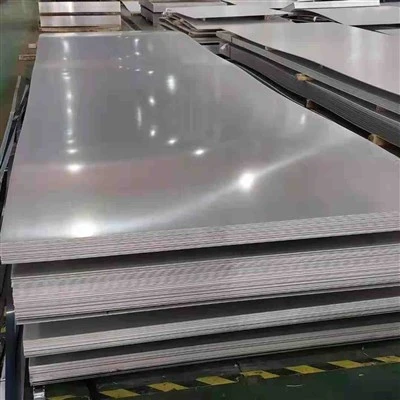
1, Main alloying elements and their functions
Carbon (C): Carbon is the main alloying element in steel, and by adjusting the carbon content, steel with different hardness and strength can be obtained. For example, low-carbon steel has good plasticity and weldability, while high carbon steel has higher hardness and wear resistance.
Silicon (Si): Silicon can improve the strength and hardness of steel, while reducing its toughness and plasticity. Silicon can also improve the oxidation resistance and corrosion resistance of steel.
Manganese (Mn): Manganese can enhance the strength and hardness of steel, while improving its toughness and plasticity. Manganese can also improve the hardenability of steel, allowing it to achieve higher hardness after quenching.
Phosphorus (P): Phosphorus is often considered a harmful element in steel because it reduces the plasticity and toughness of the steel. However, in certain specific situations, such as when manufacturing gun casings, phosphorus can increase the hardness of steel.
Sulfur (S): Sulfur is also considered a harmful element because it can cause thermal brittleness in steel. However, in free cutting steel, the addition of sulfur can improve the cutting performance of the steel.
Chromium (Cr): Chromium is the main alloying element in stainless steel, which can improve the corrosion resistance and oxidation resistance of steel. Meanwhile, chromium can also enhance the hardness and strength of steel.
Nickel (Ni): Nickel can enhance the strength and toughness of steel, while improving its corrosion resistance. Nickel is an important alloying element in stainless steel and heat-resistant steel.
2, Expand the scope of application
Adapting to diverse needs: Through alloying, the composition and properties of alloys can be adjusted according to specific application scenarios to meet diverse material requirements. For example, automobile manufacturing requires high-strength and lightweight materials, while the aerospace industry requires high-temperature resistant and high-strength alloys.
Developing new materials: Alloying technology provides the possibility for developing new materials. By adding new alloying elements to pure iron or changing the content of alloying elements, new materials with unique properties can be developed to meet new application requirements.
practical application
1, Steel industry
Stainless steel: Stainless steel is an alloy formed by adding elements such as chromium and nickel to iron, which has excellent corrosion resistance and aesthetics. It is widely used in fields such as food processing, medical equipment, building decoration, chemical equipment, etc.
Carbon steel: Carbon steel is an alloy of iron and carbon, which can be divided into low carbon steel, medium carbon steel, and high carbon steel according to different carbon contents. Low carbon steel has good plasticity and weldability, and is commonly used in building structures, bridges, pipelines, etc; Medium carbon steel is used for manufacturing mechanical parts and tools; High carbon steel is commonly used in the manufacture of cutting tools, springs, etc. due to its high hardness and wear resistance.
2, Aerospace field
The aerospace industry has extremely high requirements for materials, requiring high strength, low density, high temperature resistance, and corrosion resistance. After alloying pure iron with other metal elements, alloy materials that meet these requirements can be formed. For example, titanium alloys and nickel based alloys have a wide range of applications in the aerospace industry.
3, Automotive industry
High strength steel: High strength steel is made by alloying technology to improve its strength and toughness, making it more suitable for automotive manufacturing. High strength steel can reduce vehicle weight, improve fuel efficiency, while maintaining the strength and safety of the vehicle.
Stainless steel and aluminum alloy: These alloy materials are used in automobile manufacturing to manufacture exhaust systems, body components, and interior, etc., to improve the durability and aesthetics of automobiles.
4, Electronic industry
In the electronics industry, alloy materials formed by alloying pure iron with other metal elements have excellent conductivity and magnetic properties, and are therefore widely used in fields such as electronic components, magnetic heads, and magnetic recording materials.
5, Medical devices
Medical devices need to have high biocompatibility and corrosion resistance. Alloy materials formed by alloying pure iron with elements such as nickel and chromium, such as stainless steel, have good biocompatibility and corrosion resistance, and are therefore widely used in the manufacture of medical devices, such as surgical instruments, implants, etc.
6, Other fields
In addition, the application of pure iron smelting into other metals also involves multiple fields such as construction, bridges, ships, energy, and chemical industry. For example, in bridge construction, alloy materials such as high-strength steel and weather resistant steel are widely used to improve the bearing capacity and durability of bridges; In the energy field, high-temperature alloys such as titanium alloys and nickel based alloys are used to manufacture key equipment such as gas turbines and nuclear reactors.